Squash Blossom Necklace
Feb 20th 2026
The Soul of the Southwest: The Story & Spirit of the Squash Blossom Necklace
In the red-gold glow of desert sunrise, where turquoise skies meet sandstone horizons, one of the most iconic pieces of Native American adornment was born — the squash blossom necklace. More than jewelry, it is a vessel of meaning, woven through time by the hands of artists whose traditions extend far beyond mere ornamentation.
Like sacred poetry in silver and stone, the squash blossom speaks of identity, ceremony, heritage, and reverence for the natural world — a harmony of art and spirit that resonates across generations.
Why Is It Called a "Squash Blossom"?
Interestingly, the name does not come from Native languages.
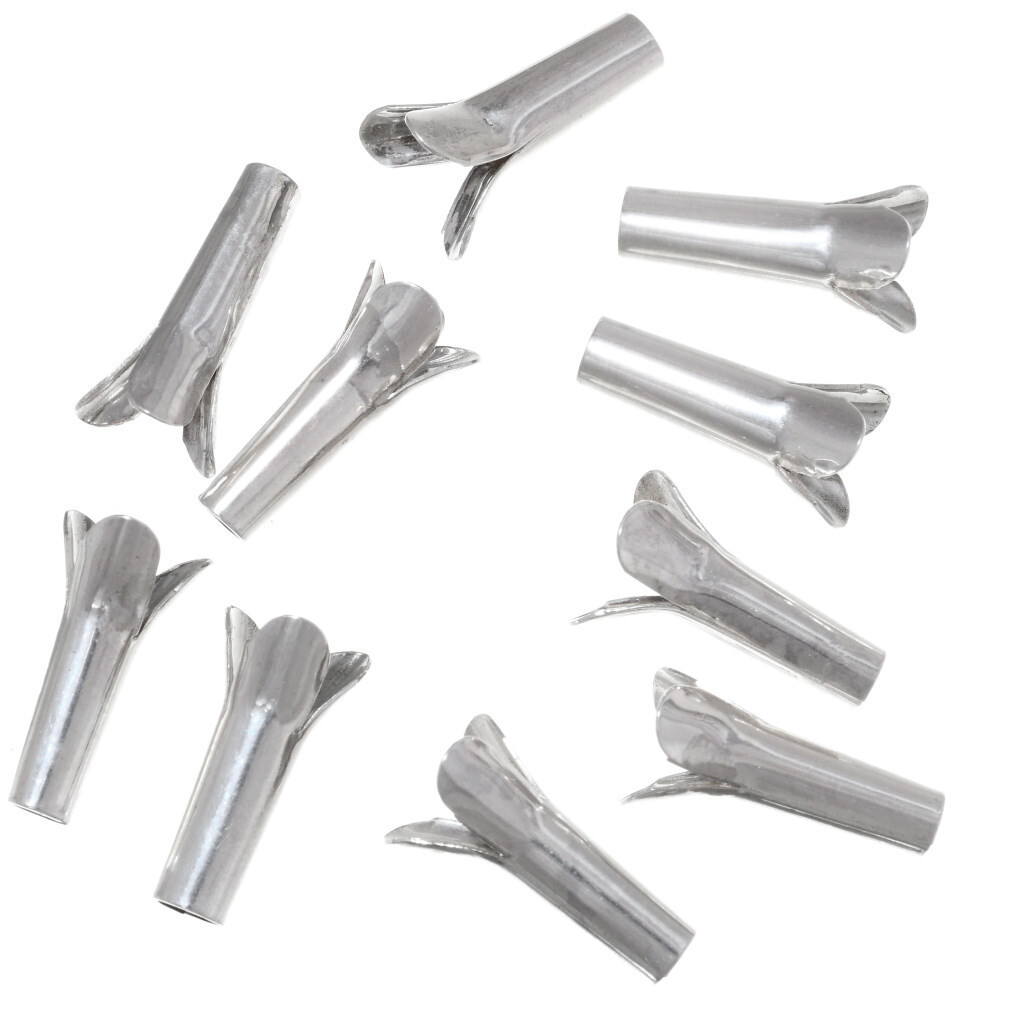
The bead shapes resemble the blossoms of squash plants - a vital crop in many Indigenous agricultural traditions. As the young squash or melon grow, the flower dries out and often stays attached for a while, creating a shape very similar to the pieces on the necklace with the long split silver tube. Anglo traders and collectors in the late 1800s likely coined the term "squash blossom" because of this resemblance.
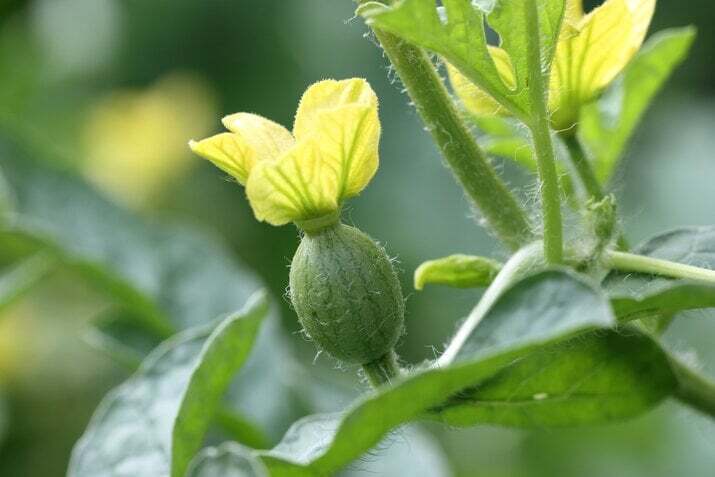
Young Melon with Flower Attached
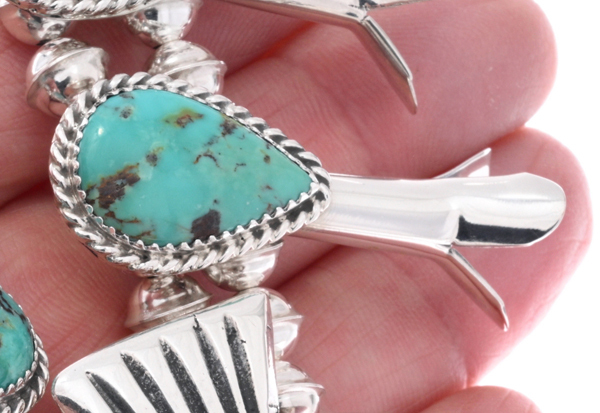
Turquoise Sterling Silver Navajo Squash Blossom Part
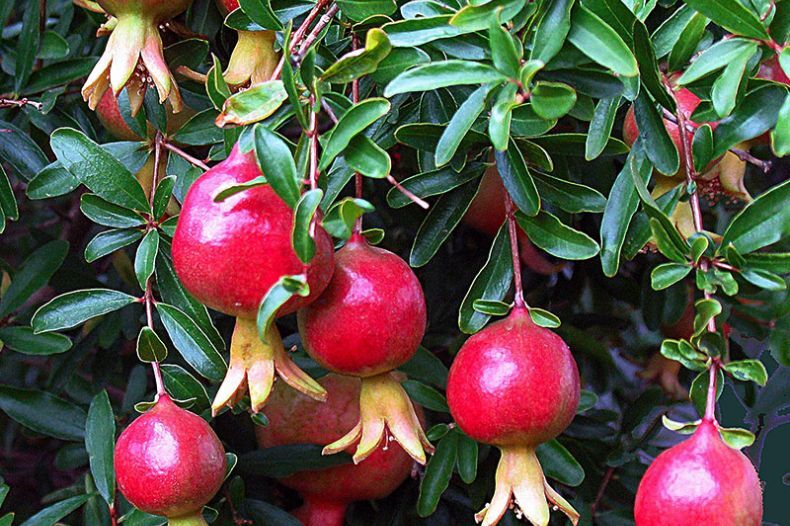
There is another piece to necklace blossoms story. They may also be related to the pomegranate, which also has a blossom on the bottom as it developes. Spanish artisans, whose silverwork influenced the work of the Navajo, had been using the pomegranate motif in their jewelry and art for quite a while, so the technique of creating the silver split tube blossom may have been passed down through them. Whatever the inspiration, the resemblence to fruit, growng on the vine or tree, is related to this part of the necklace's meaning and symbolism.
A Thread from History: Origins & Evolution
Though it's almost universally recognized today as Southwestern Native jewelry, the squash blossom's roots are beautifully intertwined with cultures and histories. Navajo silversmiths first adapted the central crescent-shaped pendant, known as the naja, from Spanish and Moorish influences encountered in the 19th century.
Originally, early Navajo versions were silver only, growing richer and more expressive as Zuni and Hopi artisans contributed their unique visions - especially through intricate stone inlay and symbolic embellishment.
What began as a shared artistic evolution became a defining symbol of Southwestern Native identity.
Symbols Worn on the Heart
At first glance, the squash blossom necklace might appear to be ornate adornment. Yet each element — from beadwork to turquoise cabochons and the naja pendant — carries intention and meaning:
-
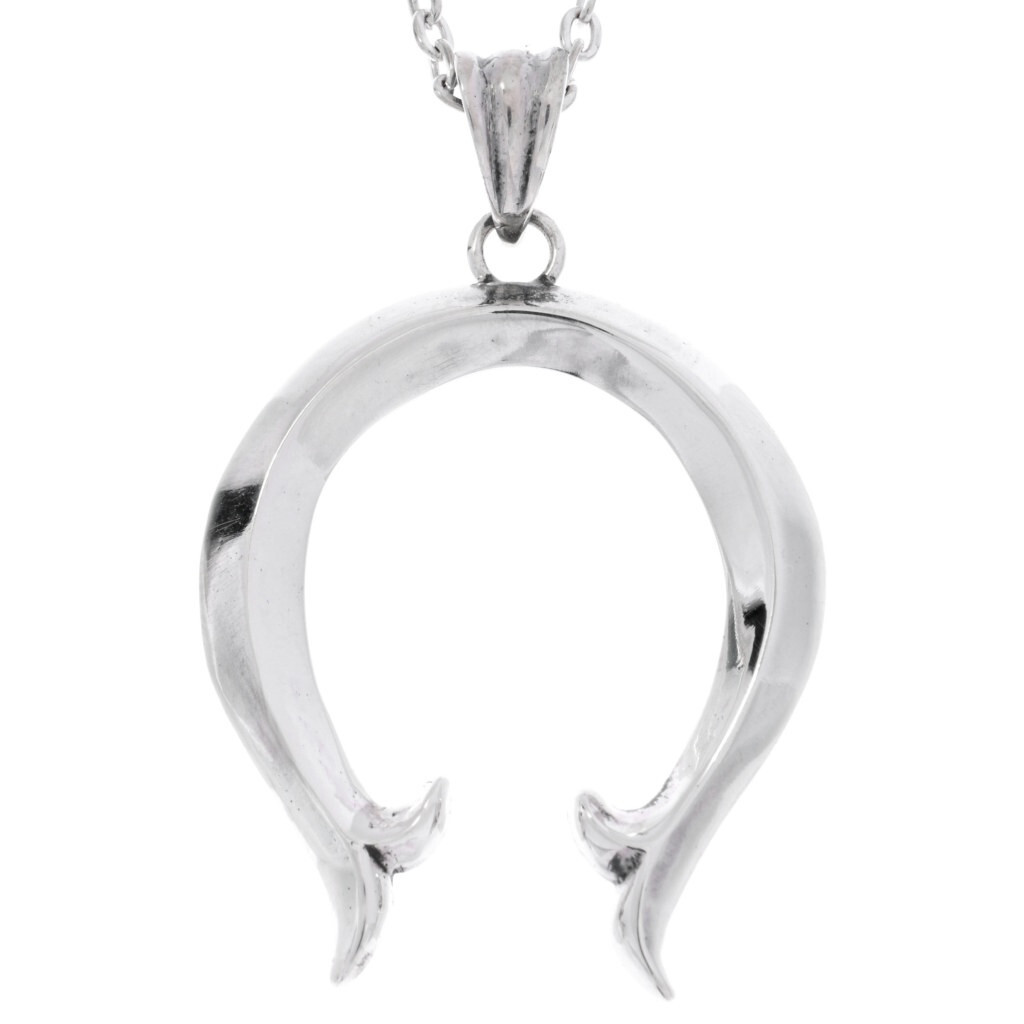
The Naja Pendant: Less a decoration, more a guardian. Traditionally, the naja was believed to ward off spirits and protect the wearer.
-
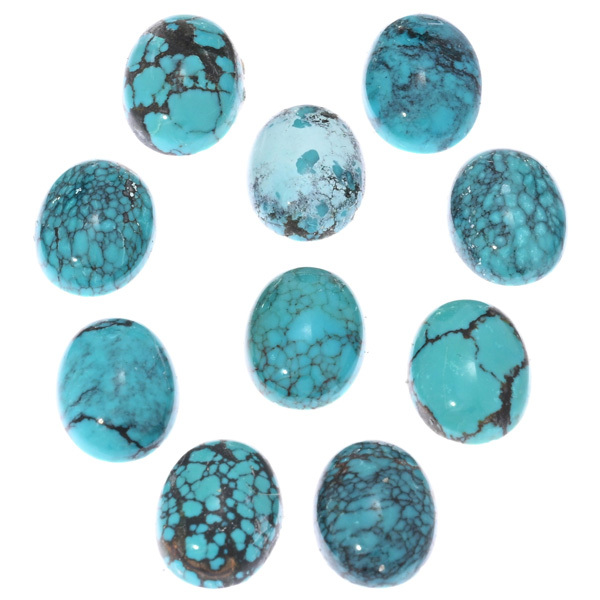
Turquoise Stone: Revered across Native cultures as a living stone of life, protection, and healing — turquoise is spirit, sky, and earth in a single cabochon.
-
Squash Blossom Motif: Though not literally from a squash plant, the motif evokes growth, prosperity, and the blossoms that feed and sustain life — a symbol of abundance.
Worn in ceremony and celebration, the necklace becomes more than an object — it is a sacred expression of beauty and belief.
Ceremony, Custom, and Cultural Expression
For many Native communities, jewelry like the squash blossom is integrated into life’s pivotal moments: weddings, dances, rites of passage, and moments of thanksgiving or prayer. Passed down through families, these necklaces carry the stories of ancestors — not merely ornament, but continuity.
In some circles, presents of squash blossom pieces mark deep respect and honor, a recognition of one’s place within community and earth alike.
Treasures of Tradition: Featured Pieces from Alltribes
Here are a few exceptional squash blossom necklaces from Alltribes, each rich with workmanship and rooted in Native artistic tradition:

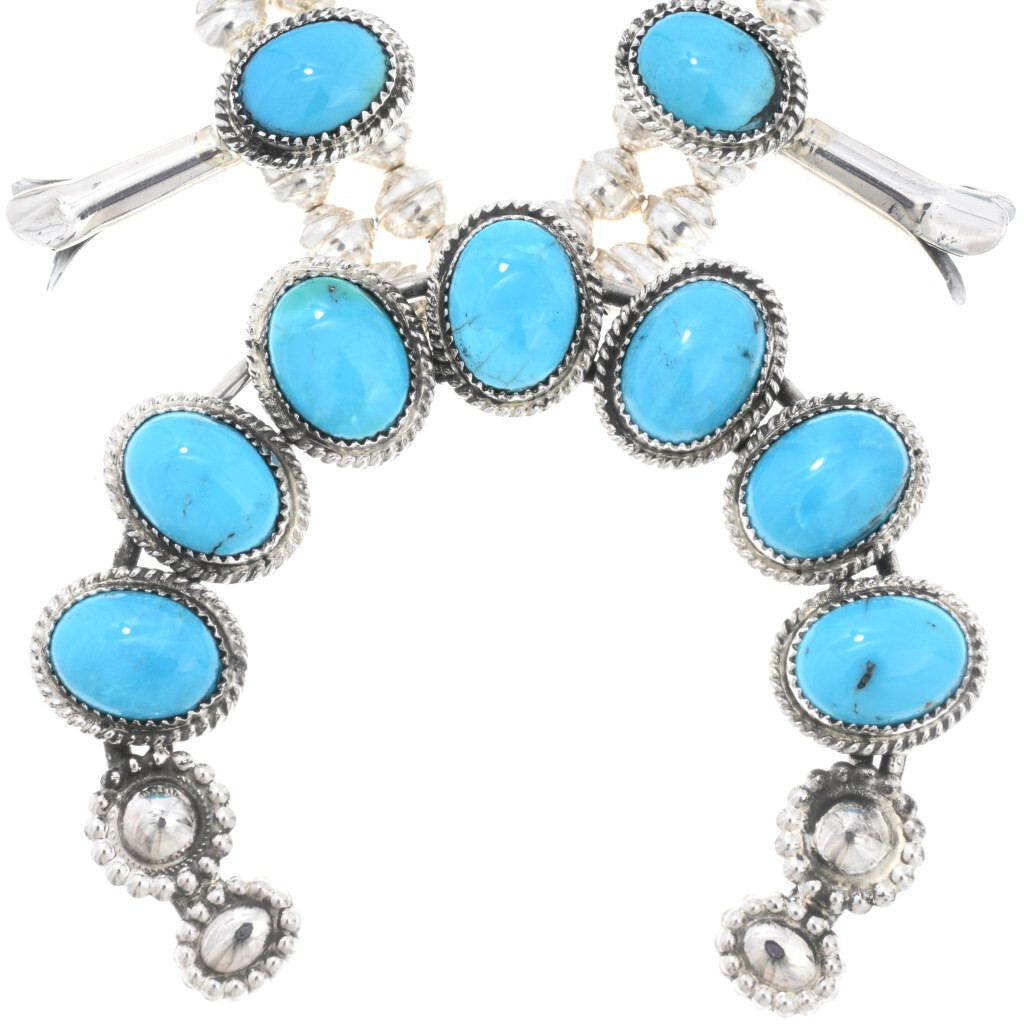
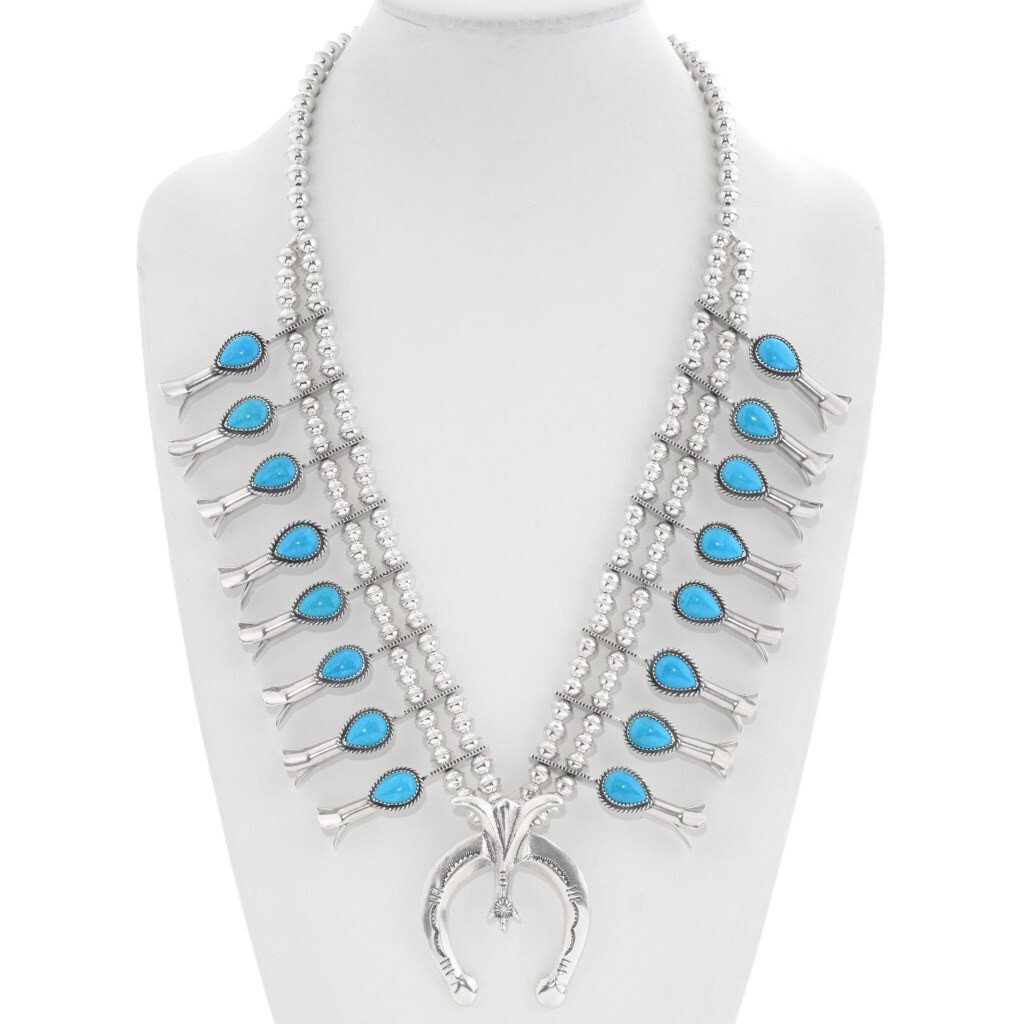
Each piece carries the legacy of hands trained in generations of tradition, skillfully interpreting age-old symbolism into wearable art.
Wearing With Respect: Tradition Meets Today
As this jewelry finds its way into collections around the world, it’s vital to approach it with awareness and respect. These forms are not costume, and while they may be a trend - they are living cultural expressions. We understand that conversations around cultural appropriation can be complex and personal. From our perspective, particularly among the Native team members here at Alltribes, we see it as meaningful when people appreciate and respectfully wear pieces like the Squash Blossom necklace. When worn with understanding and respect for its origins, a Squash Blossom can help bring greater awareness and appreciation of Native artistry and culture into the broader cultural space. We believe that thoughtful engagement with traditional designs can enrich mainstream style, both in the U.S. and around the world, while honoring the communities they come from. No matter your background, you’re welcome to wear a Squash Blossom necklace with pride—because it’s beautiful, because it carries history and meaning, and because personal style is one way we connect with culture and express who we are. So no matter what your walk of life, feel free to wear a Squash Blossom with pride; first, because it looks good, but also, because it has some special meaning behind it and makes you, you!
When you wear a squash blossom necklace, you don’t just wear silver and stone…
you wear history, connection, ceremony, and the beating heart of Native ingenuity.
Closing Thought
Like the desert wind that shapes canyon walls, tradition shapes identity. The squash blossom necklace stands as a testament to resilience, reverence, and the seamless blend of beauty and spirit - a piece of art that carries more than adornment… but ancestral voice.