Fred Harvey: The Revolution of Southwestern Tourism and the Rise of Native American Art
Posted by TH on Sep 17th 2026
How Fred Harvey and the expansion of the railroad helped bring Southwestern and Native American art to a national audience.
Imagine living in the East or Midwest in the late 1800s and hearing about the American Southwest—a place of vast deserts, dramatic landscapes, unfamiliar architecture, and Native cultures that were very different from anything you had experienced. For most people, getting there was difficult and time-consuming. Then the railroad began pushing west, and suddenly the Southwest was no longer a distant frontier. It was somewhere you could actually visit
The Railroad Opens the Southwest
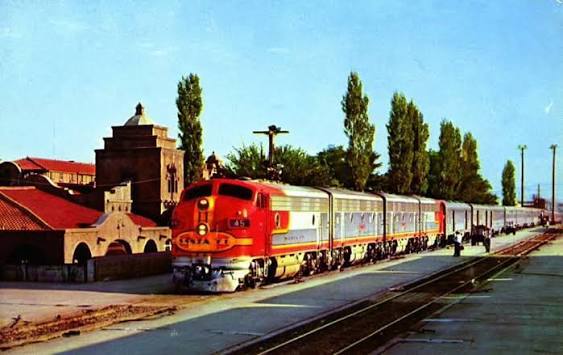
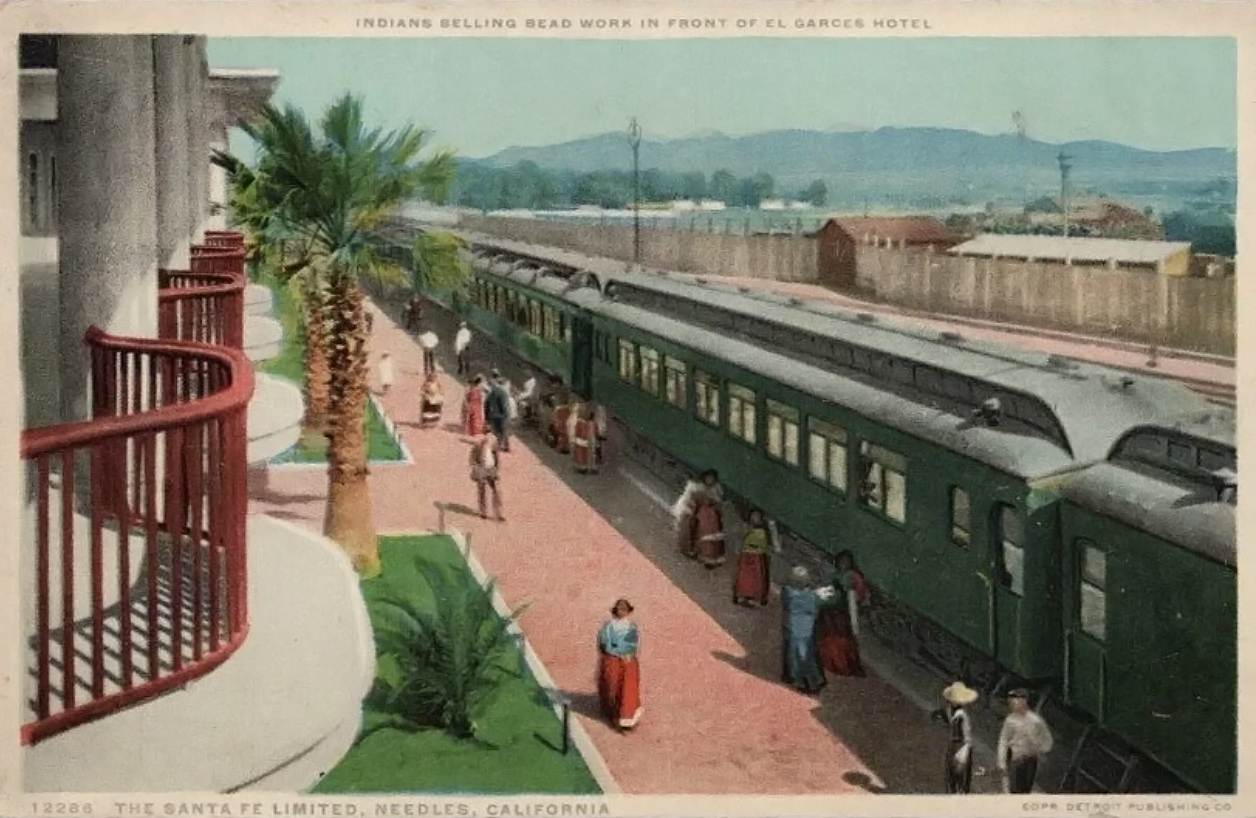
The expansion of the railroad changed the way Americans experienced the West. Places that had once required long, difficult overland journeys could now be reached by train, bringing a growing number of travelers into New Mexico, Arizona, and other parts of the Southwest.
Think about what that must have been like for a traveler at the time. You could board a train in the East or Midwest and, instead of simply reading about the Southwest in a newspaper or seeing it in a painting, you could actually watch the landscape change outside your window. You could see the desert, encounter unfamiliar architecture and foods, meet people from cultures you had never experienced firsthand, and discover Native American art.
The railroad didn't just make the Southwest easier to reach. It made people curious about what they would find when they got there.
Fred Harvey Saw an Opportunity
He wanted to give tourists a reason to be excited about the journey to the Southwest. He understood that travelers wanted more than a comfortable meal along the way. They wanted an experience—and the Southwest had plenty to offer.
This was where the story of Fred Harvey and Native American art really began to come together. The railroad brought the travelers, Fred Harvey created the places and experiences that introduced them to the Southwest, and Native artists brought their own creative traditions into this growing tourist market.
The Native American Art Connection
As more people traveled west, their curiosity about the Southwest grew—and so did their desire to bring something home. A piece of Native art could serve as a lasting reminder of an exciting journey to a place that had once seemed impossibly far away.
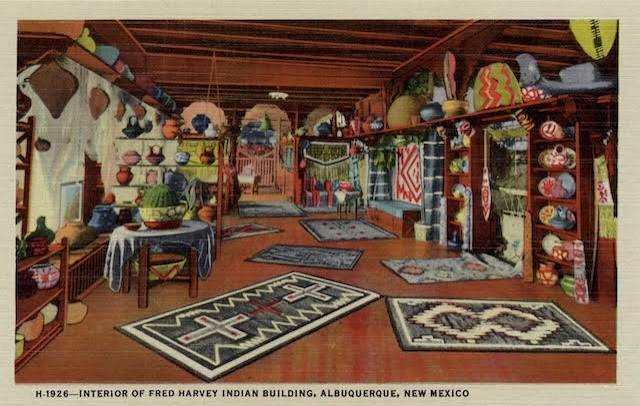
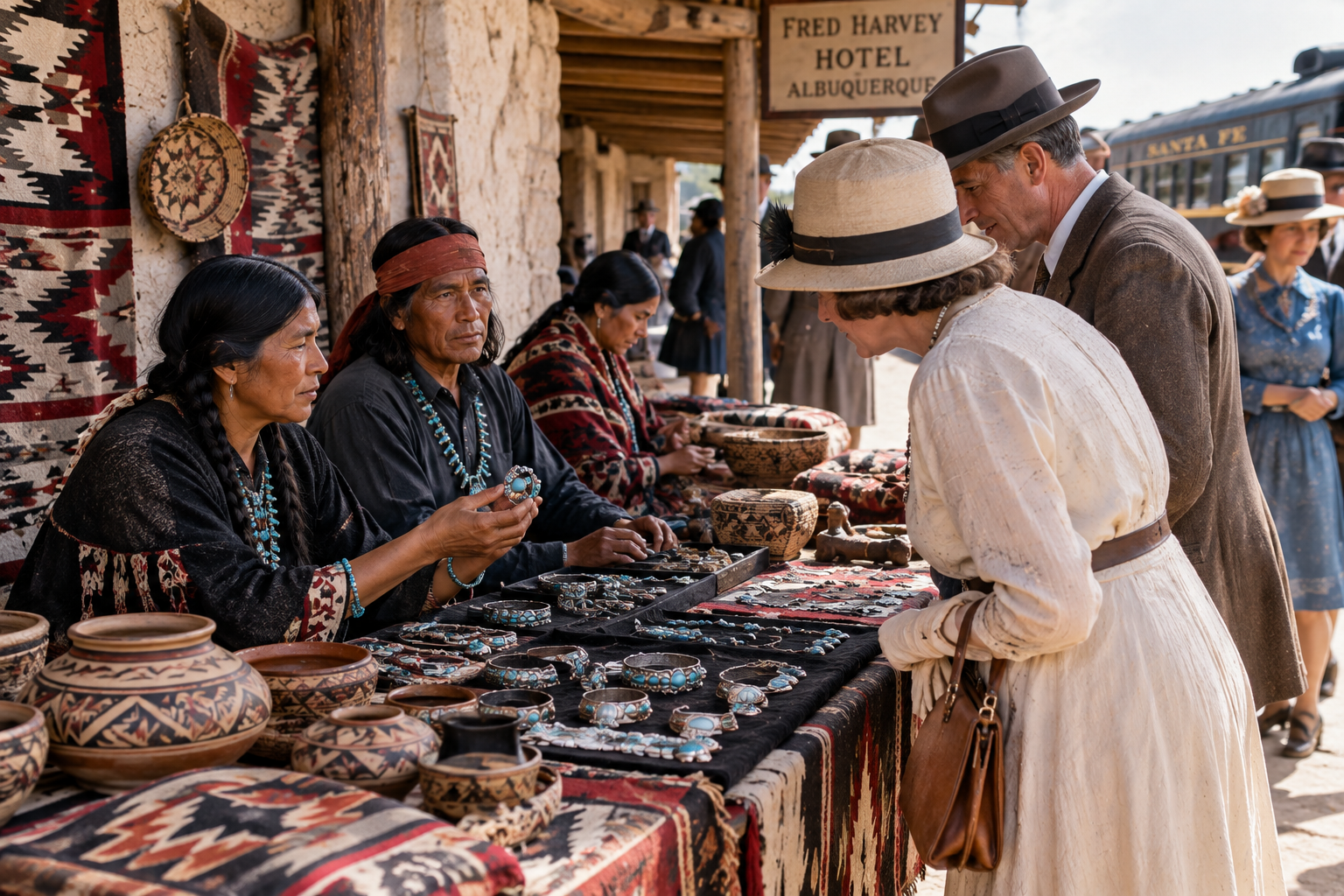
Fred Harvey recognized this growing demand. In 1901, the company established its Indian Department, becoming increasingly involved in the acquisition, promotion, and sale of Native American arts and crafts. For Native artists, this opened the door to a whole new group of customers. Instead of selling primarily within regional communities, artists could now reach travelers from across the country who were eager to discover Southwestern art.
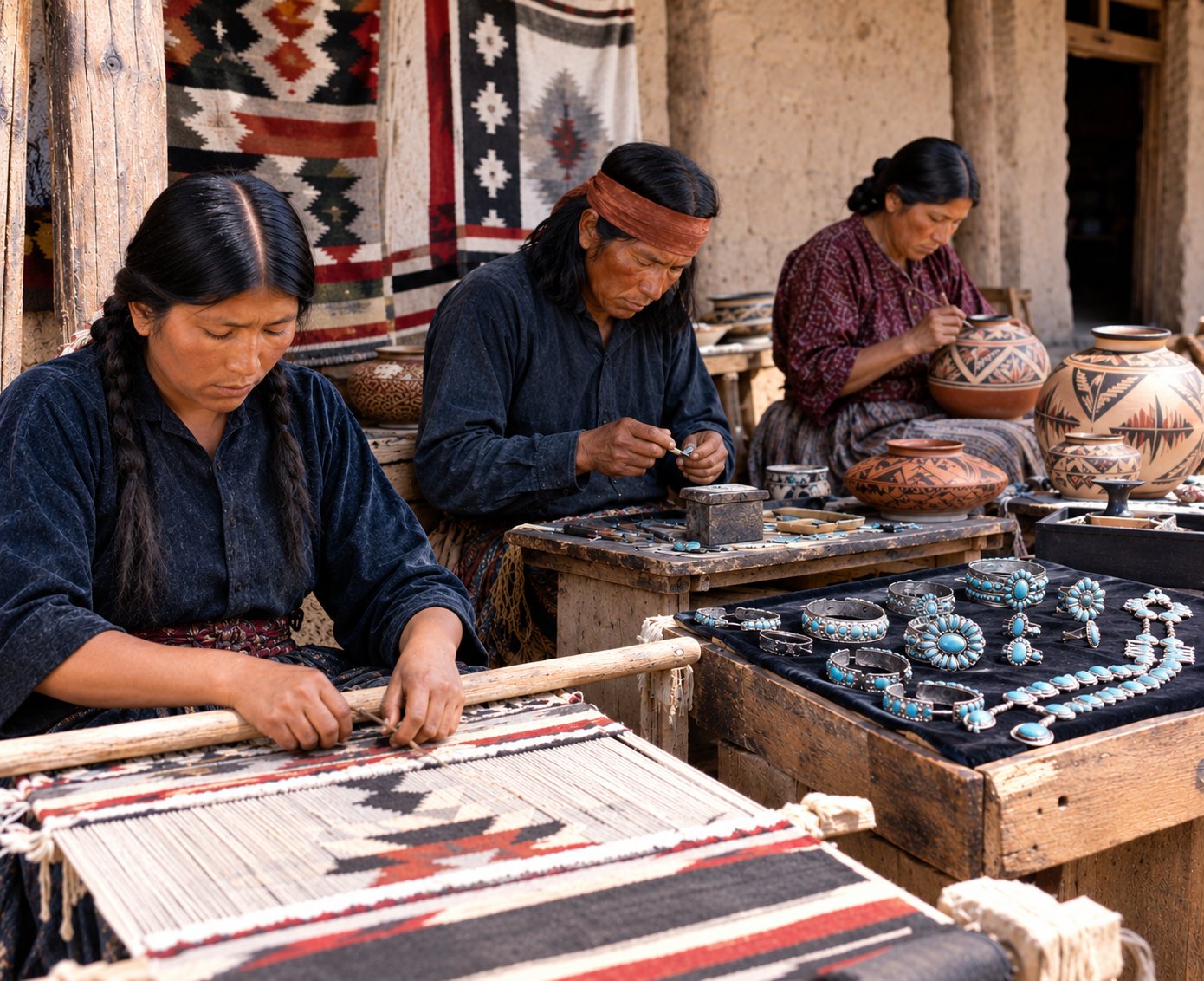
For a traveler, seeing a Native artist at work could be one of the most memorable parts of a trip. Visitors might watch jewelry being made, see pottery taking shape, or admire weaving and other traditional crafts firsthand. Then they could purchase a piece and take that experience home with them.
When Native Art Became Part of the Tourist Experience
The more tourists arrived, the more they began to develop expectations about what the Southwest should look like. They came looking for turquoise and silver jewelry, colorful pottery, woven blankets, and designs that immediately felt "Southwestern." The tourist trade responded to those expectations, and Native artists had to navigate this new marketplace. Some adapted their work, created pieces specifically suited to travelers, or found new ways to present their traditional skills. They were active participants in the growing economy, making their own choices while also responding to what customers wanted. At the same time, the Harvey experience helped shape tourists' ideas about Native art and the Southwest. Native culture was becoming part of the experience being presented to visitors, and Native art was becoming increasingly available to tourists. Opportunity and commercialization were happening at the same time.
Native American jewelry, Navajo silversmithing, Zuni stonework, Pueblo arts, and other Native artistic traditions were well established long before the Harvey Company entered the picture. Fred Harvey helped create opportunities for Native artists and introduced their work to travelers from across the country, while the same tourist system also influenced what was produced, how it was presented, and what visitors came to think of as "Southwestern." For a tourist, a small silver bracelet or turquoise ring wasn't simply a souvenir. It was a tangible reminder of a journey somewhere exotic, somewhere that felt completely different from home. And because the railroad was bringing more and more visitors into the region, that experience—and the art associated with it—was reaching an audience far beyond the Southwest.
The Positive Impact on Native Artists
For Native artists, the growing tourist trade opened doors to customers they may never have reached otherwise. A traveler arriving by train could purchase a work of art and carry it thousands of miles away. Suddenly, artwork created in the Southwest could find its way into homes, galleries, and collections across the country.
The opportunities went beyond simply making a sale. Artists could earn income from their skills, demonstrate their work for curious visitors, meet collectors and dealers, and introduce people from all over the country to Native artistic traditions.
Over time, this exposure helped Native American jewelry, pottery, weaving, and other art forms become recognized and collected far beyond their original communities. That legacy continues today in museums, galleries, private collections, and Native-owned art markets throughout the Southwest.
Most importantly, Native artists were not simply along for the ride. They made their own decisions about what to create, how to adapt to new customers, and how to take advantage of a rapidly changing market. Tourism brought new challenges, but it also brought possibilities that simply had not existed on the same scale before.
Creating the Southwest Tourists Wanted to See
Of course, there was another side to this exciting new market. Fred Harvey was a business, and its success depended on giving travelers an experience they found memorable—and that included the Native American art they encountered along the way.
Tourists arrived with certain ideas about what the Southwest should look like. They were fascinated by turquoise and silver, Native pottery and blankets, and distinctive designs that immediately reminded them of the region. The more popular these things became, the more the tourist market began influencing what was produced and what customers expected to find. For Native artists, this created an interesting balancing act. The new demand could provide valuable income and bring their work to an enormous audience, but artists were also working within a marketplace shaped by tourists' expectations.
The company helped expand and shape the market for native art connecting artists with travelers on a scale that was unprecedented. Native artists brought their skills, traditions, and creativity to the marketplace, while tourism changed the size—and sometimes the direction—of that marketplace.
As tourism grew, Fred Harvey and the Santa Fe Railway realized that travelers wanted more than a train ride, a meal, or a place to sleep. They wanted to feel like they had truly experienced the Southwest.
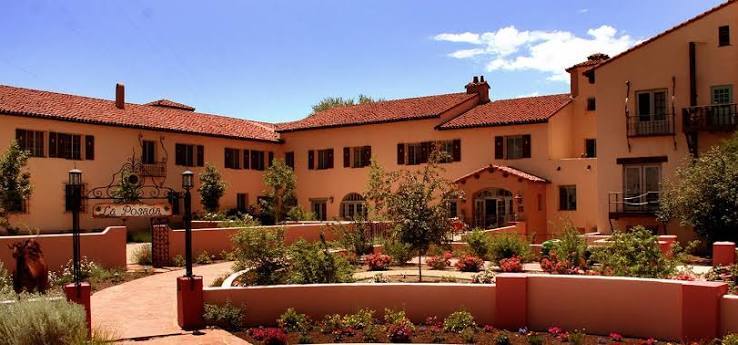
So the companies began creating that experience around them. Harvey Houses and hotels incorporated Southwestern architecture, furnishings, regional food, artwork, Native American crafts, and even carefully planned excursions. Every detail helped tell a story about the mysterious and fascinating Southwest travelers had come so far to see.
The Southwest presented to tourists was not simply everyday life as Native people experienced it. It was a carefully shaped version designed to capture what visitors imagined the Southwest should be. Native American art, clothing, traditions, and imagery became an important part of that picture.
For a traveler arriving from the East or Midwest, this carefully created atmosphere could feel like stepping into another world. And that experience became one of the things Fred Harvey was selling—not just a trip through the Southwest, but a memorable story about the place itself.
For many travelers, one of the most fascinating parts of visiting the Southwest was seeing Native artists at work. For the artists, these demonstrations could provide income and a chance to connect directly with customers who had traveled from across the country. But the relationship between Native people and tourism went beyond the sale of artwork. Native people were finding new opportunities through tourism and earning money from their art and cultural knowledge, while at the same time becoming part of a carefully constructed image of what the Southwest was supposed to look like.
Tourism created opportunities for Native artists and communities, but it also shaped how Native people and their cultures were presented to the traveling public.
What Is Fred Harvey Jewelry?
So, what exactly do we mean when we talk about Fred Harvey jewelry? The term is primarily used by collectors to describe jewelry associated with the tourist trade that developed around the Fred Harvey Company and the broader growth of Southwestern tourism. Many of these pieces were lightweight silver designs featuring popular Southwestern imagery such as turquoise, thunderbirds, arrows, lightning bolts, crosses, feathers, snakes, geometric patterns, and other regional motifs. They were often made to be relatively affordable and easy for travelers to take home as a souvenir of their trip.
It is important to remember that this was a different market from the substantial handmade jewelry Native artists were creating for personal use, local trade, collectors, and other customers. The growing tourist market created demand for a particular type of jewelry—pieces that captured the look and feel travelers associated with the Southwest and gave them something tangible to remember their journey.
A Legacy of Opportunity and Commercialization
Perhaps the best way to understand Fred Harvey’s impact is to recognize that opportunity and commercialization existed side by side. The growing tourist trade brought Native artists new customers, income, and recognition, while also creating pressure to produce work that matched what tourists and retailers expected. Native artists remained active participants, making their own choices and adapting to a rapidly changing marketplace while navigating a system that was increasingly shaping how Native American art was presented to the public.
What began with a railroad ticket eventually helped create a nationwide fascination with the Southwest. Travelers came west, Fred Harvey gave them places to eat, sleep, explore, and shop, and Native artists gave them artwork to admire and take home. Today, Fred Harvey-era jewelry represents more than vintage silver or turquoise—it is part of the larger story of Southwestern tourism, the growing national market for Native American art, and the people whose creativity helped shape that story. The history is complicated, but that complexity is part of what makes Fred Harvey jewelry and Southwestern art so fascinating
The Enduring Influence of Fred Harvey
More than a century later, the influence of the Fred Harvey era remains visible. Southwestern architecture continues to draw on the visual language developed during the great era of railroad tourism. Turquoise and silver remain closely associated with the Southwest. Native American art continues to attract collectors from around the world. But perhaps the most important legacy is the continued recognition of the Native artists and communities behind the art. Fred Harvey may have helped bring Native American art to a national audience, but it was Native artists who created the art, preserved their traditions, adapted their techniques, and carried those traditions forward.
The story of Fred Harvey is ultimately not just the story of a businessman, a railroad, or a tourist industry. It is the story of how Native American art entered the national consciousness—and the journey that brought it there.