The History of Old Pawn Jewelry and Why Collectors Love It
Posted by TH on Jul 30th 2026
For collectors of Native American jewelry, few pieces carry the history, craftsmanship, and character of **Old Pawn Jewelry**. Every bracelet, ring, squash blossom necklace, bolo tie, or concho belt tells a story that spans generations. Unlike modern reproductions, authentic Old Pawn jewelry represents a time when Native American silversmiths created jewelry for everyday wear, ceremonial use, and trade long before mass production became common.
Today, Old Pawn jewelry is highly sought after by collectors because of its rich history, hand-crafted artistry, and one-of-a-kind designs. Whether you're an experienced collector or just beginning your journey, understanding the origins of Old Pawn jewelry makes every piece even more meaningful.
What Is Old Pawn Jewelry?
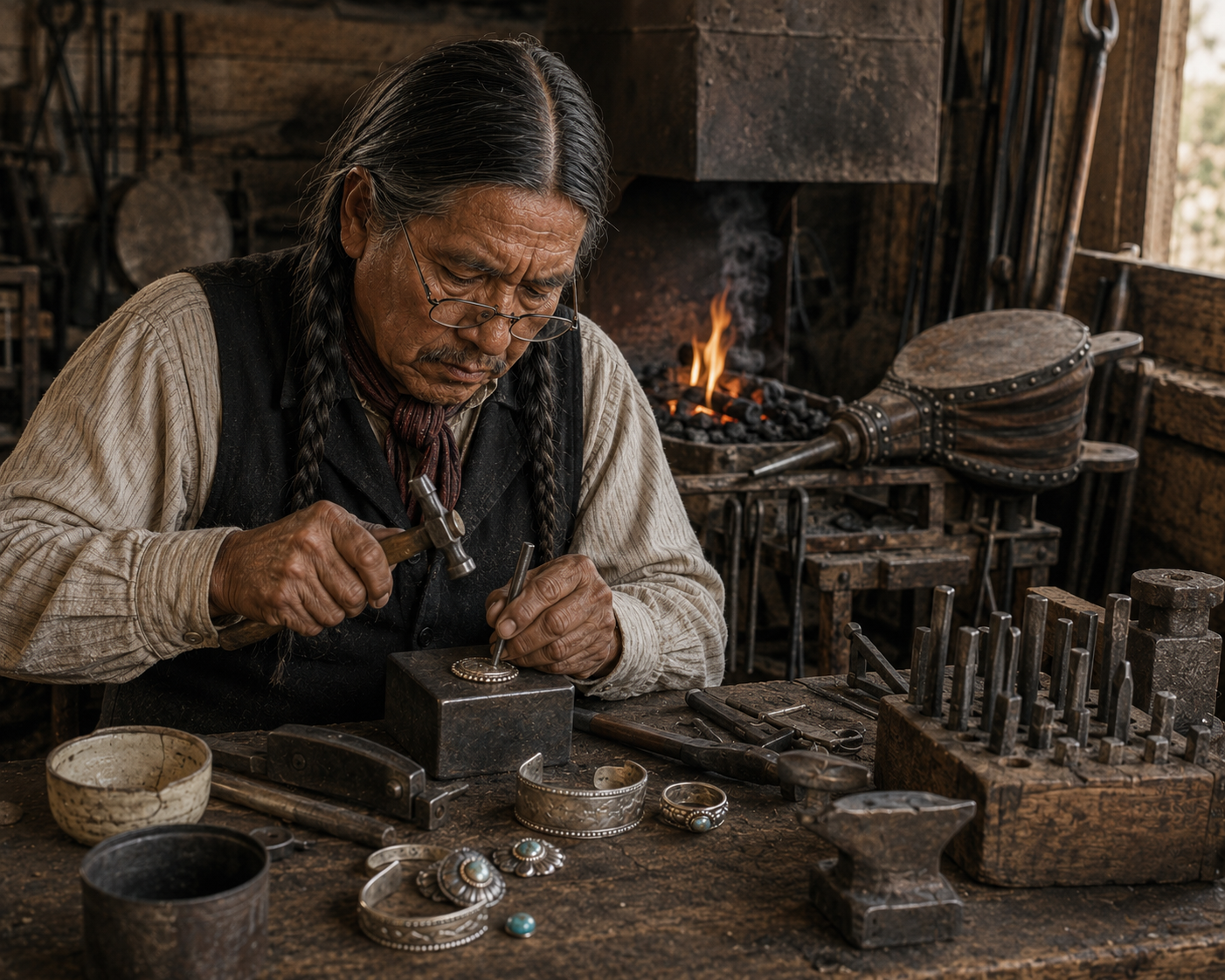
The term **Old Pawn Jewelry** refers to vintage Native American jewelry that was once used as collateral for loans at trading posts or pawn shops throughout the American Southwest. During the late 1800s and much of the 1900s, Native American families often pawned valuable jewelry to obtain cash or supplies, with the intention of reclaiming it later.
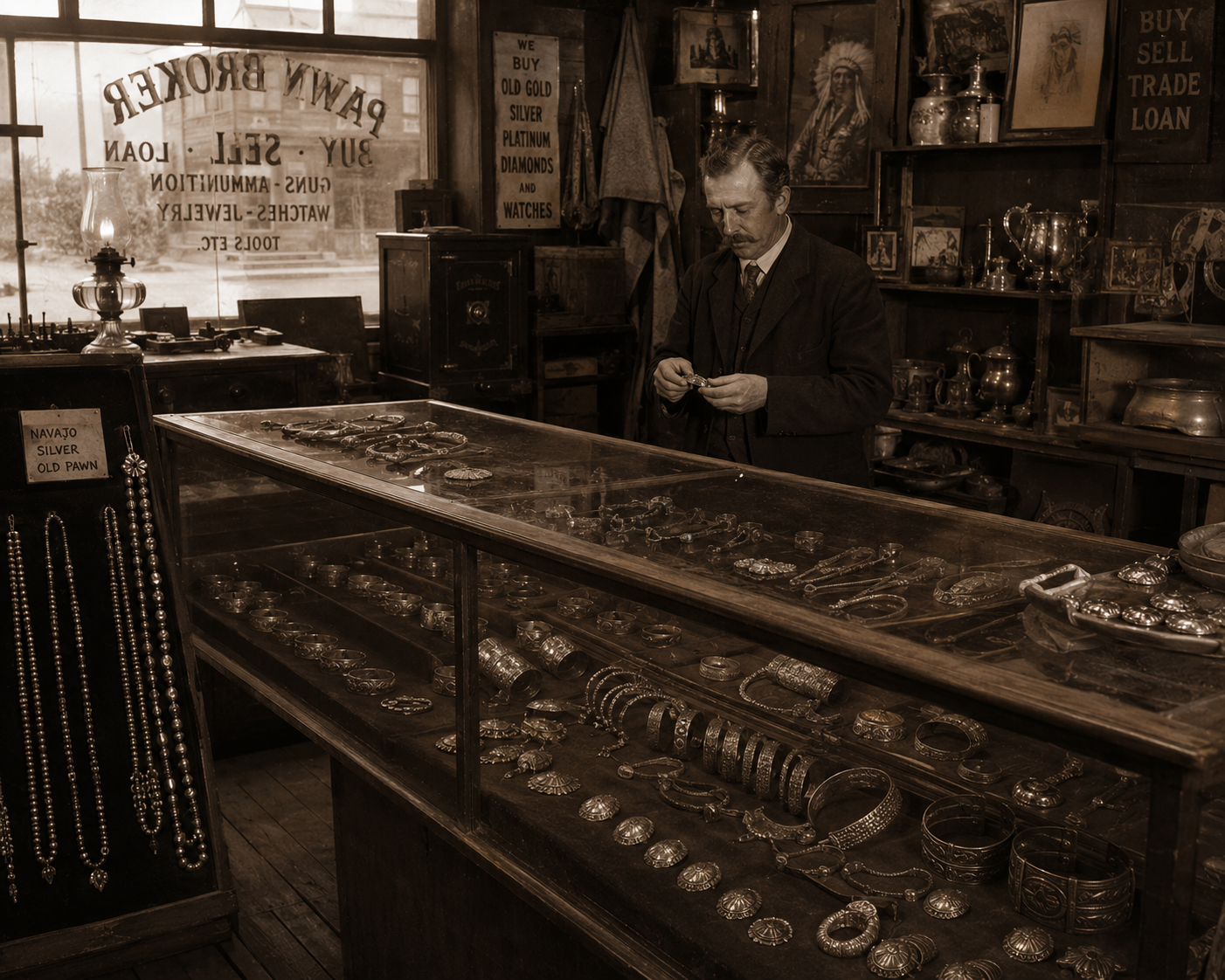
Many families successfully redeemed their treasured pieces. However, jewelry that remained unclaimed eventually became available for resale. These pieces are what collectors commonly refer to today as Old Pawn jewelry. Despite its name, "Old Pawn" does not simply mean "old jewelry." Instead, it generally describes authentic vintage Native American jewelry that has passed through trading posts or pawn shops and reflects traditional craftsmanship from an earlier era.
The Origins of Native American Silversmithing
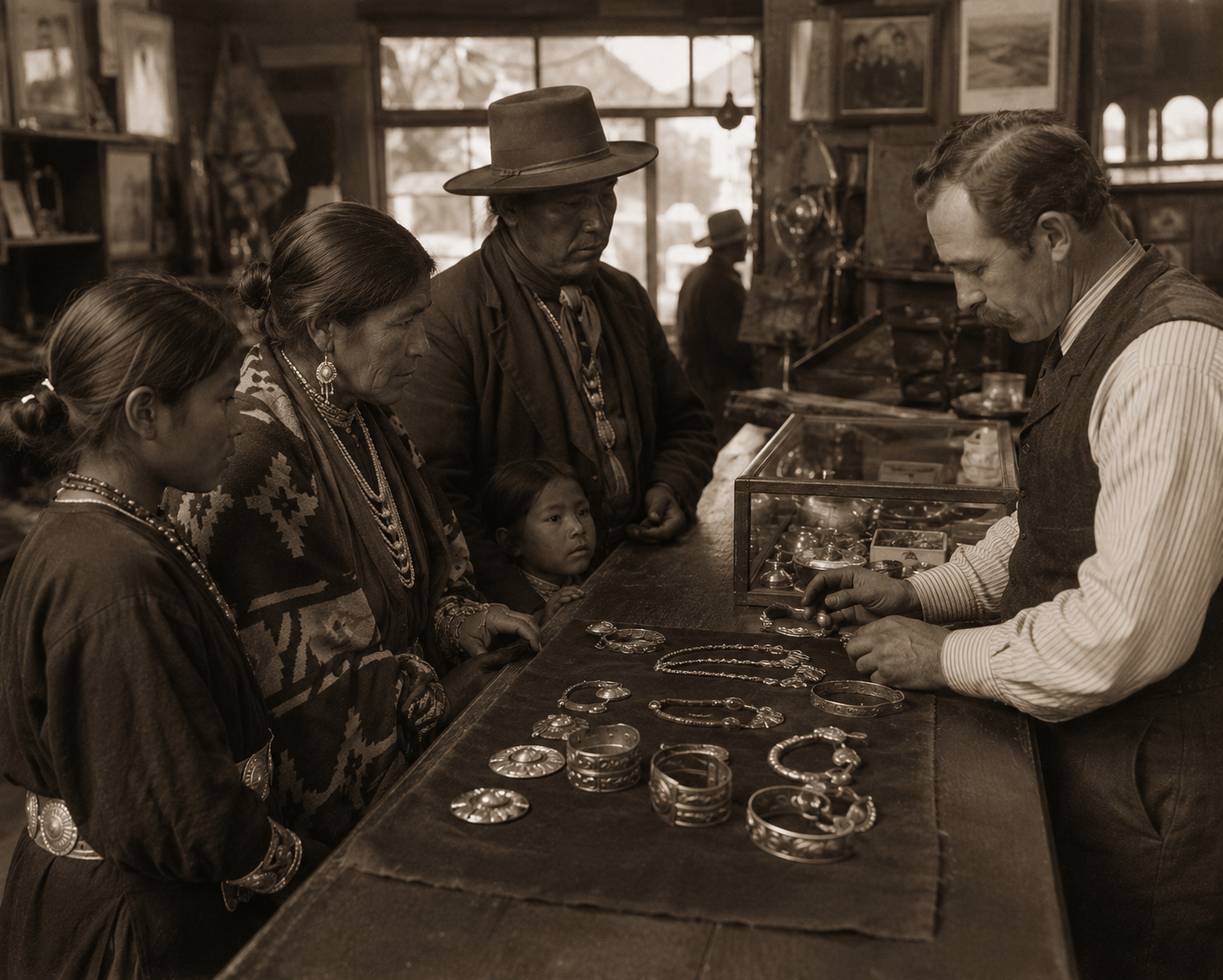
The story of Old Pawn jewelry begins with the introduction of silversmithing to Native American artisans in the mid-1800s. The Navajo were among the first tribes to master the art after learning metalworking techniques from Mexican silversmiths.
As their skills evolved, Navajo artists developed distinctive jewelry styles using sterling silver and natural turquoise. Soon afterward, Zuni artists became famous for intricate stone inlay, needlepoint, petit point, and cluster work, while Hopi silversmiths introduced their recognizable overlay designs featuring traditional symbols and storytelling motifs.
Long before jewelry became a collectible art form, these handcrafted pieces served as personal adornment, family heirlooms, expressions of cultural identity, and symbols of wealth.
How Trading Posts Shaped Old Pawn Jewelry
Throughout Arizona, New Mexico, Utah, and parts of Colorado, trading posts became important gathering places where Native American artisans exchanged handmade jewelry for food, livestock, tools, blankets, and other necessities.
These trading posts often acted as informal banks. During difficult times, families could temporarily pawn valuable jewelry with the expectation of redeeming it once they had the means. Jewelry that remained unclaimed eventually entered the trading post's inventory and was sold to collectors and visitors.
Many well-known Southwestern trading posts helped preserve these remarkable pieces, allowing today's collectors to own a tangible part of Native American history.
What Makes Old Pawn Jewelry Unique?
One of the reasons collectors cherish Old Pawn jewelry is that no two pieces are exactly alike.
Many vintage pieces feature:
* Hand-forged sterling silver
* Natural turquoise from historic American mines
* Mediterranean coral
* Hand-stamped designs created with individual steel stamps
* Heavy silver construction
* Traditional Navajo, Zuni, and Hopi craftsmanship
* Visible signs of age and wear that add authenticity and character
Unlike modern jewelry made with computer-assisted tools, Old Pawn pieces were created almost entirely by hand. Slight imperfections are not flaws—they are evidence of the artist's craftsmanship.
The Beauty of Natural Turquoise
One of the defining features of Old Pawn jewelry is the use of **natural turquoise**. Long before stabilization techniques became common, Native American artists used untreated turquoise from legendary mines throughout the Southwest.
Collectors often seek stones from famous mines including:
* Bisbee
* Morenci
* Kingman
* Sleeping Beauty
* Number Eight
* Lone Mountain
* Blue Gem
* Carico Lake
* Royston
* Cerrillos
Each mine produced turquoise with its own unique color, matrix, and character. Some stones display vivid robin's egg blue tones, while others feature rich greens, spiderweb matrix, or dramatic brown and black veining.
Because many historic mines are no longer producing high-quality turquoise, vintage jewelry containing these stones has become increasingly desirable.
Why Collectors Love Old Pawn Jewelry
Every Piece Has a Story
Collectors appreciate the idea that a bracelet or ring may have been worn decades ago by someone who valued it enough to pawn it rather than sell it outright.
Handmade Craftsmanship
Old Pawn jewelry represents a level of hand craftsmanship that is increasingly rare today. Every stamp, bezel, silver leaf, twist wire, and repoussé design was created by skilled artisans using traditional techniques.
Unique Designs
Since each piece was handmade, collectors rarely find identical examples. This individuality makes Old Pawn jewelry especially appealing.
Investment Potential
High-quality vintage Native American jewelry has remained desirable for decades. While collectors should purchase pieces because they appreciate their beauty and history, exceptional Old Pawn jewelry from respected artists or rare turquoise mines often retains strong value.
Connection to Native American Heritage
Perhaps most importantly, collectors value Old Pawn jewelry because it preserves Native American artistic traditions. Every piece reflects generations of knowledge passed from master silversmiths to apprentices, keeping traditional craftsmanship alive.
How to Identify Authentic Old Pawn Jewelry
While no single characteristic guarantees authenticity, experienced collectors often look for several signs:
* Hand-cut stones rather than perfectly uniform cabochons
* Hand-forged sterling silver
* Traditional stamp work instead of machine engraving
* Natural wear consistent with age
* Older style bezels and silverwork
* Quality turquoise and coral
* Traditional clasp and hinge construction on bracelets
* Hallmarks or signatures when present
It's important to remember that many older Native American artists did **not** sign their work, so an unsigned piece can still be authentic and highly collectible.
Purchasing from knowledgeable dealers who specialize in Native American jewelry is one of the best ways to build a trustworthy collection.
Caring for Old Pawn Jewelry
Because Old Pawn jewelry is vintage, proper care helps preserve its beauty.
* Store pieces separately to prevent scratches.
* Avoid harsh chemical cleaners.
* Use only a soft polishing cloth when necessary.
* Leave natural patina intact whenever possible, as many collectors value the aged finish.
* Protect turquoise from prolonged exposure to chemicals, perfumes, and excessive moisture.
A well-preserved patina often enhances both the appearance and collectibility of vintage jewelry.
Building an Old Pawn Collection
Whether you're searching for a classic Navajo cuff bracelet, an intricate Zuni cluster ring, a squash blossom necklace, or a historic concho belt, collecting Old Pawn jewelry offers the opportunity to own wearable works of art.
Many collectors begin with one special piece before expanding into bracelets, rings, pendants, bolo ties, earrings, and necklaces from different tribes, artists, or turquoise mines. Over time, each addition creates a collection rich in history, artistry, and cultural significance.
Discover Authentic Old Pawn Jewelry at Alltribes Indian Art
At **Alltribes Indian Art**, we are proud to offer a carefully curated selection of authentic Old Pawn Native American jewelry. Our collection features handcrafted Navajo, Zuni, and Hopi pieces showcasing genuine turquoise, coral, sterling silver, and traditional Southwestern artistry.
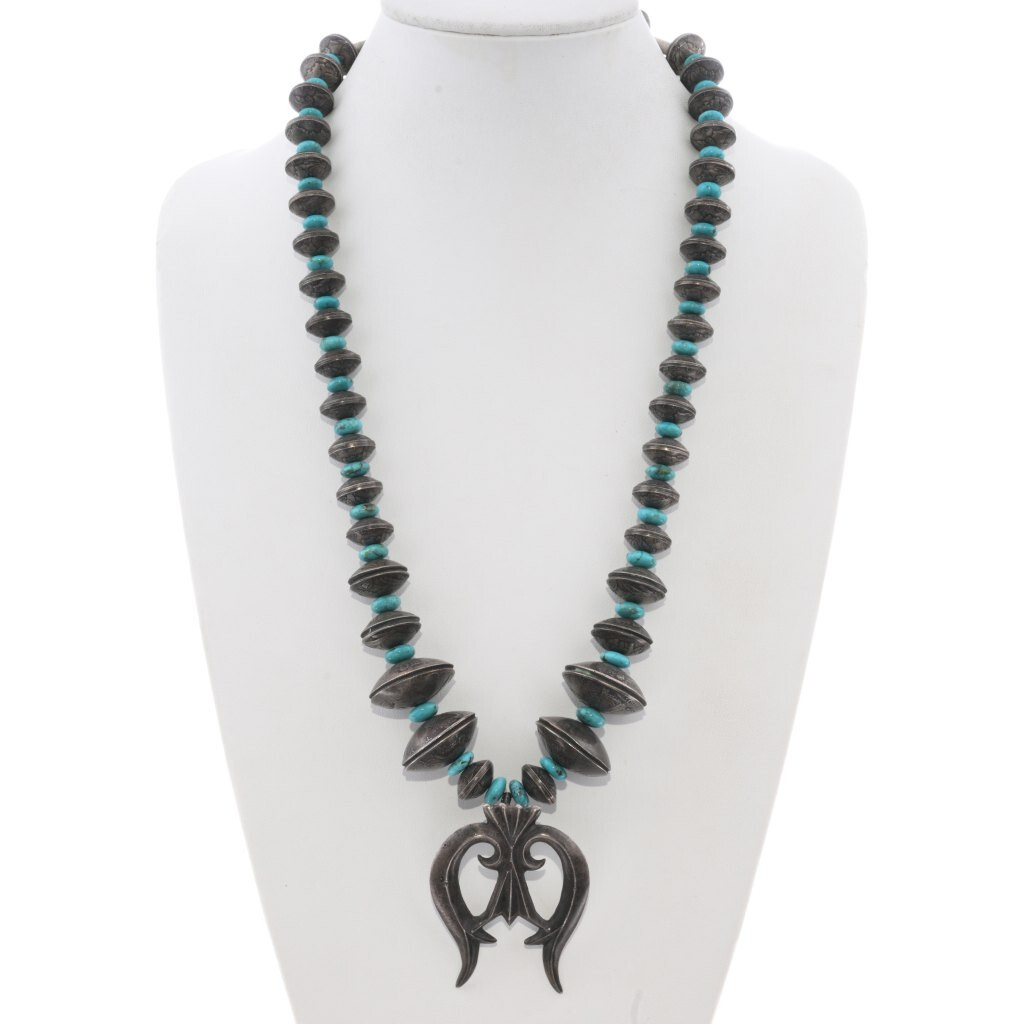
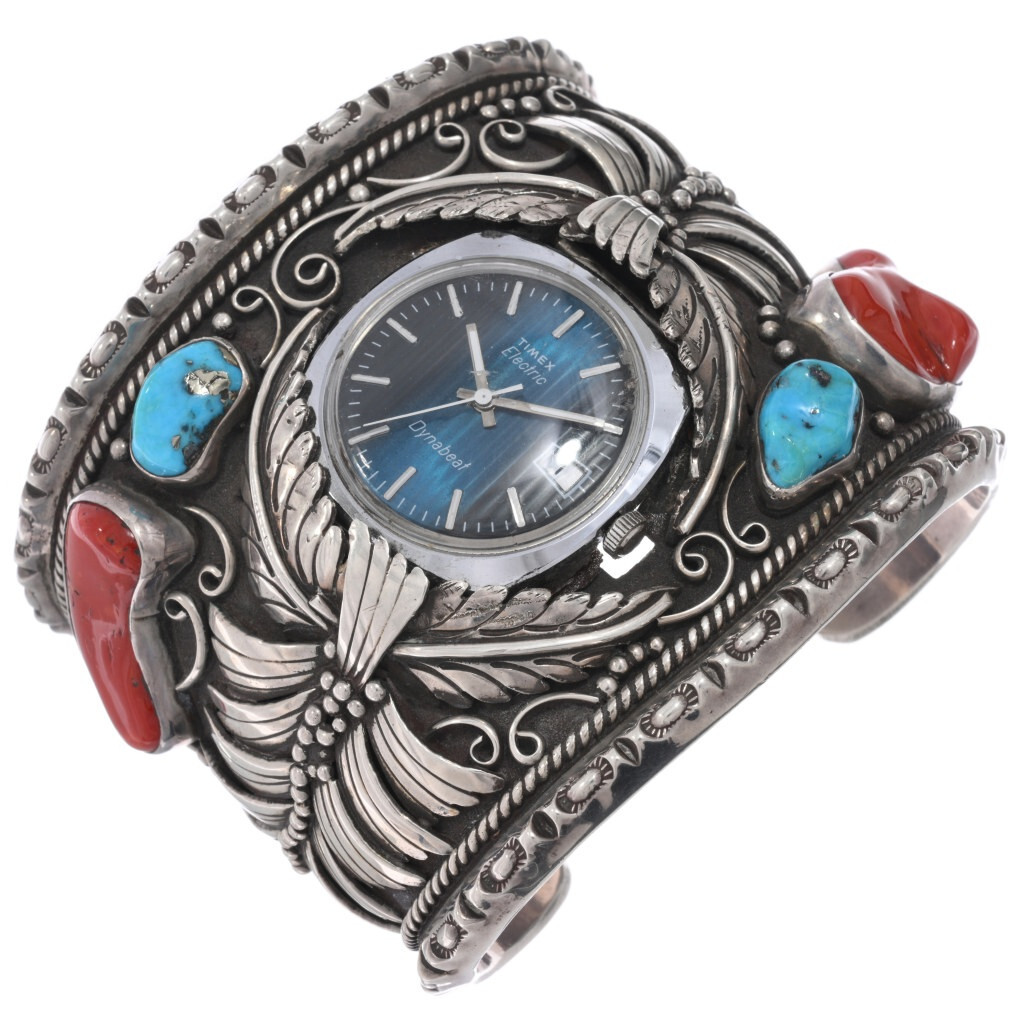
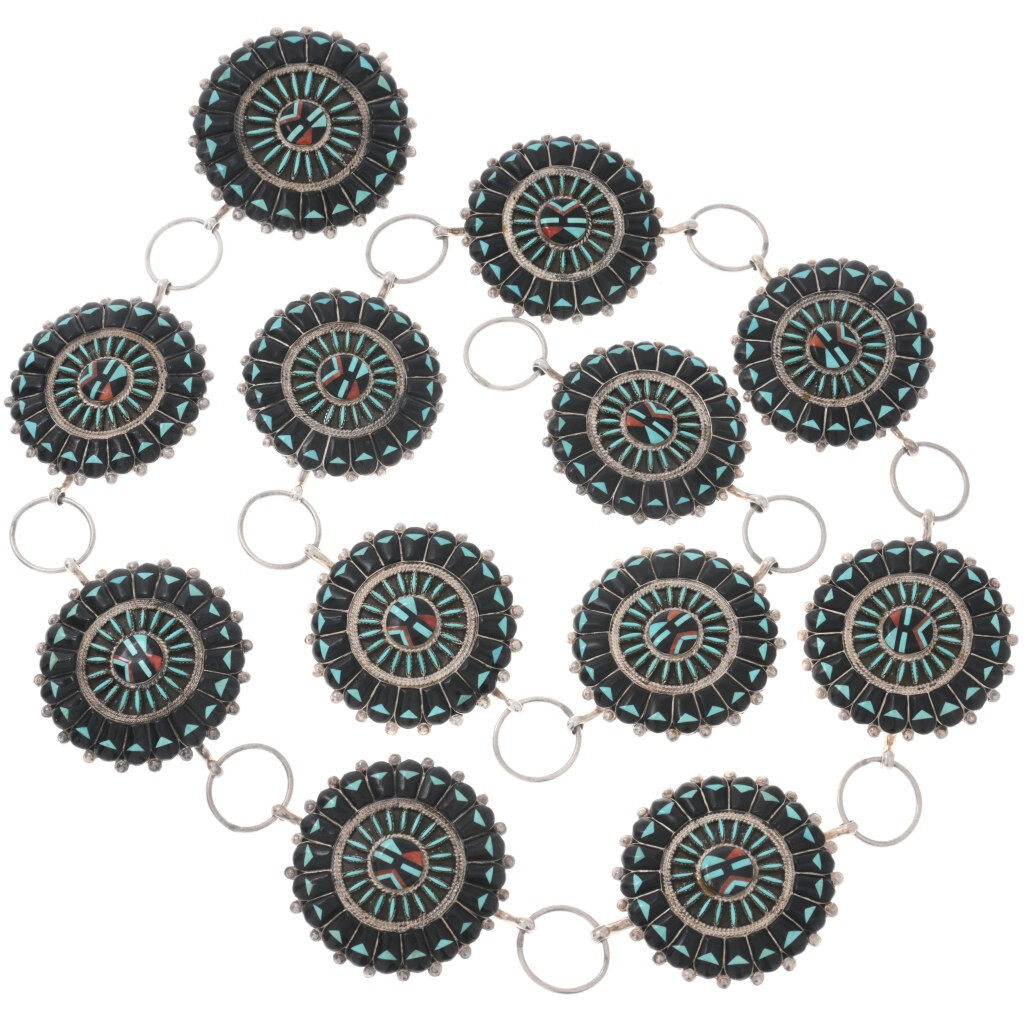
Whether you're an experienced collector or purchasing your first vintage piece, Old Pawn jewelry is more than an accessory—it's a connection to the artists, traditions, and history of the American Southwest that continues to inspire collectors around the world.