Understanding Navajo, Zuni, and Hopi Jewelry Styles
Posted by TH on Aug 25th 2026
Native American jewelry encompasses a remarkable range of artistic traditions, techniques, and designs. Among the most recognized styles are Navajo, Zuni, and Hopi jewelry, each with its own distinctive approach to silverwork, stone setting, symbolism, and design.
While these styles can sometimes appear similar to the untrained eye—especially when turquoise and sterling silver are involved—there are important differences that collectors can learn to recognize. Understanding these characteristics can make choosing a piece of Native American jewelry more meaningful and help collectors appreciate the craftsmanship behind each piece.
Navajo Jewelry: Bold Silverwork and Natural Stone
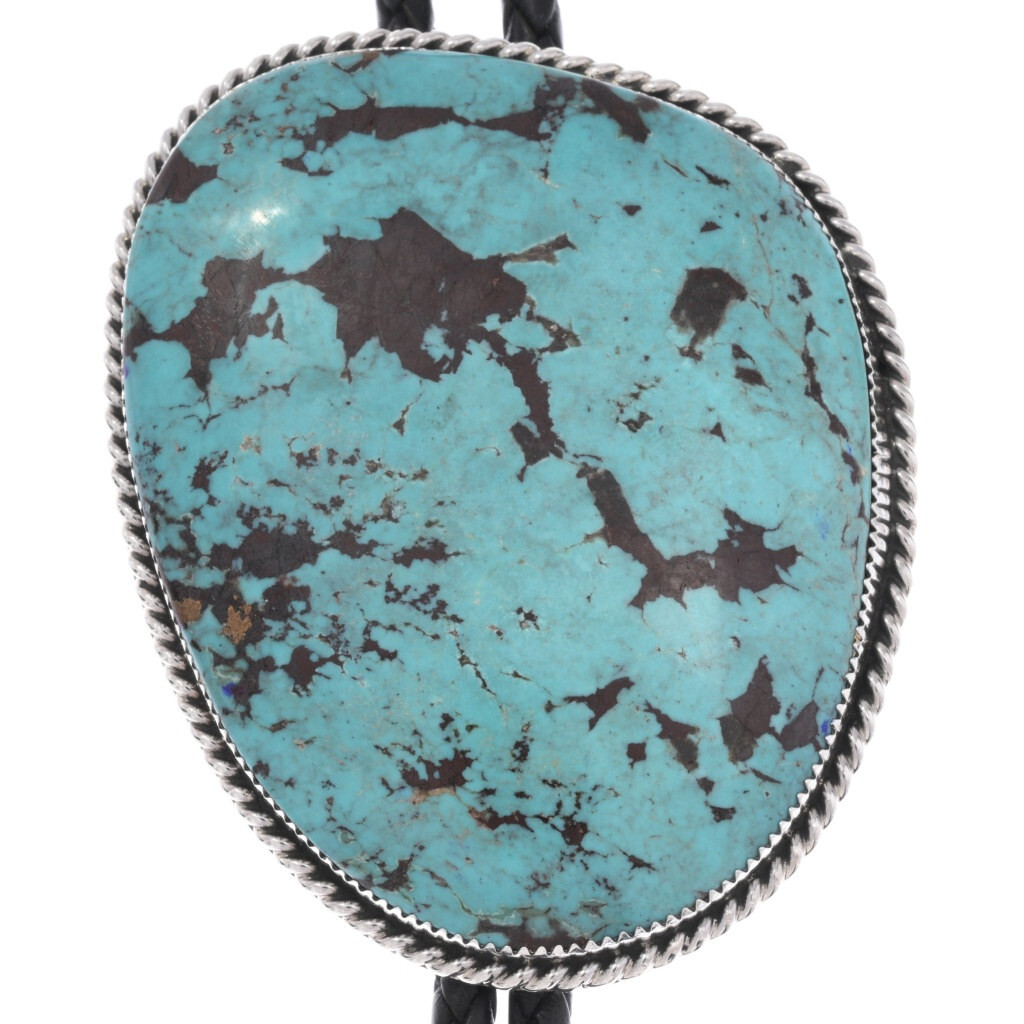
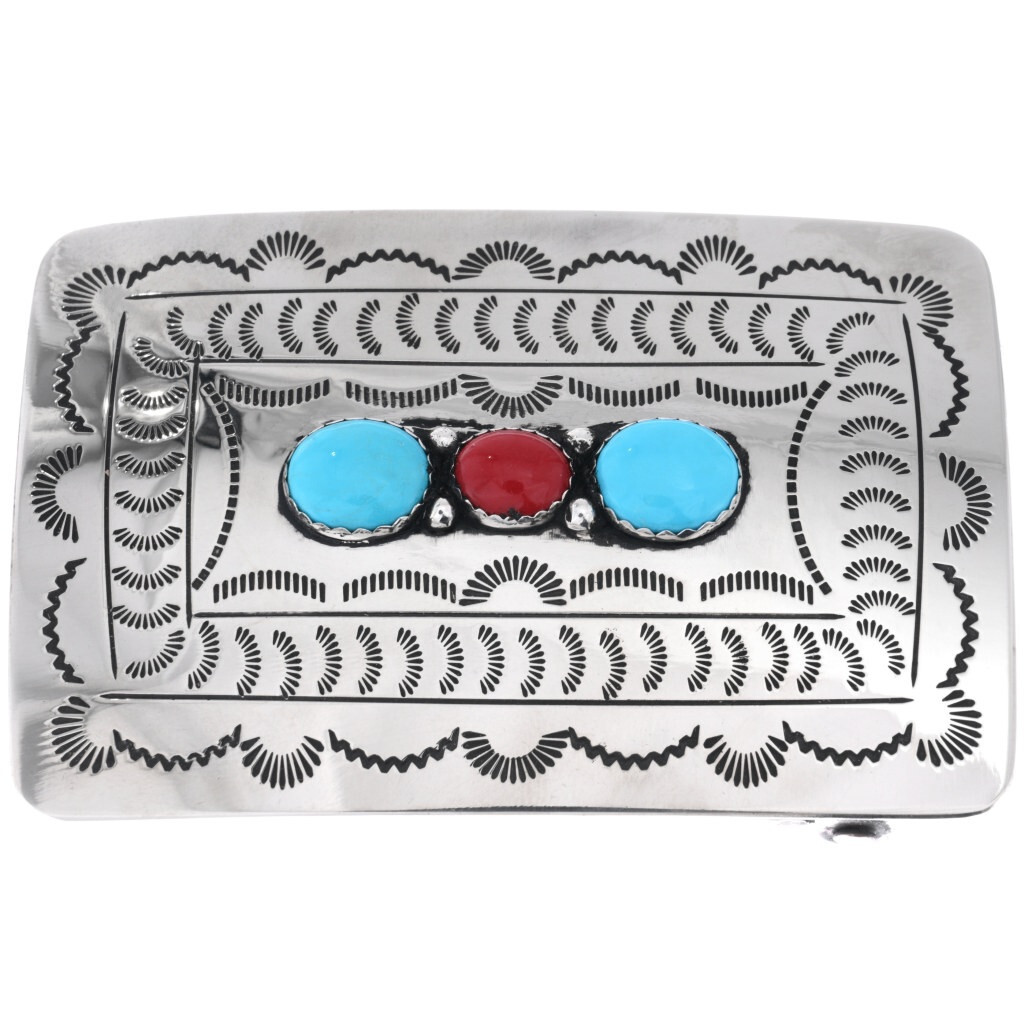
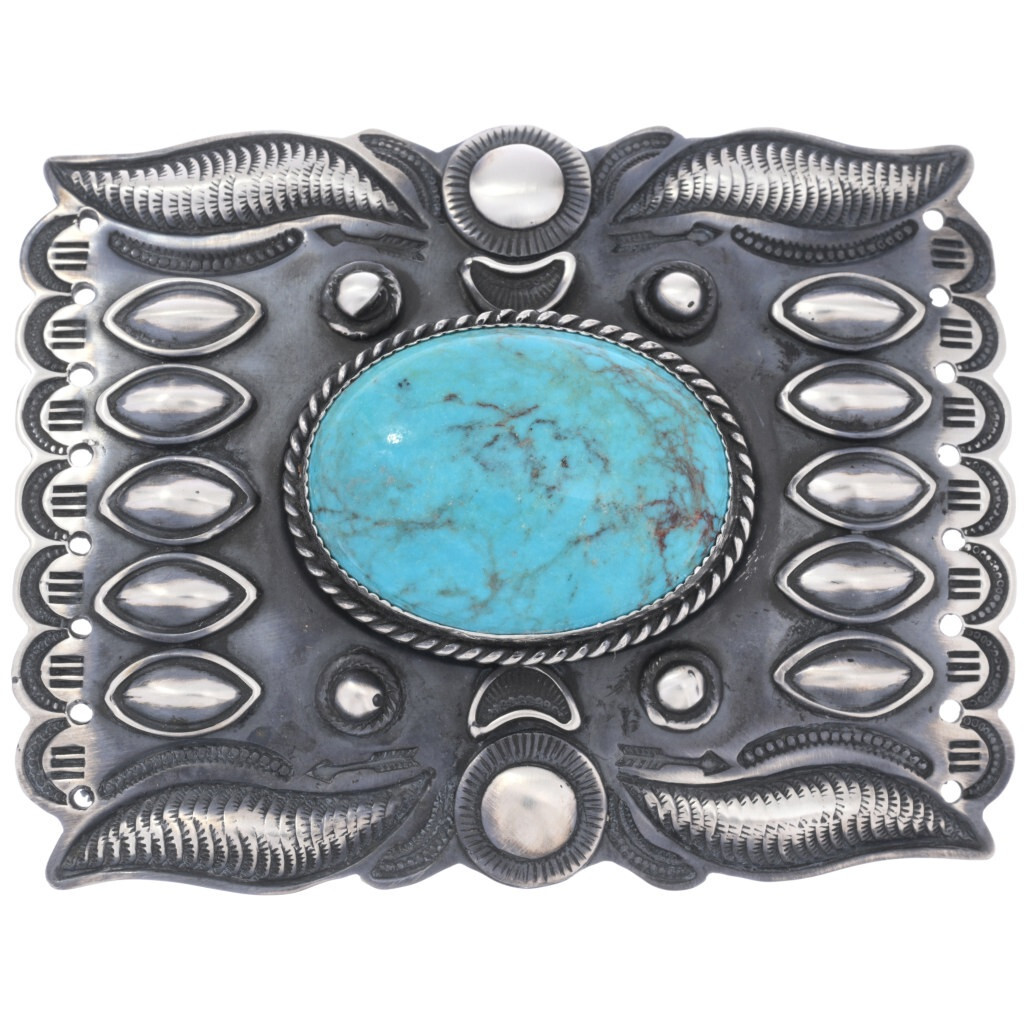
Navajo jewelry is perhaps the style most commonly associated with American Indian turquoise jewelry. Navajo silversmiths developed a distinctive tradition of working sterling silver into substantial, highly detailed pieces, often incorporating turquoise, coral, spiny oyster, and other gemstones.
Traditional Navajo jewelry frequently emphasizes the natural beauty of individual stones. A large turquoise cabochon may become the centerpiece of a ring, bracelet, pendant, or necklace, surrounded by hand-stamped silver, rope-like wire, saw-pierced designs, or decorative bezels.
Common characteristics of Navajo jewelry include:
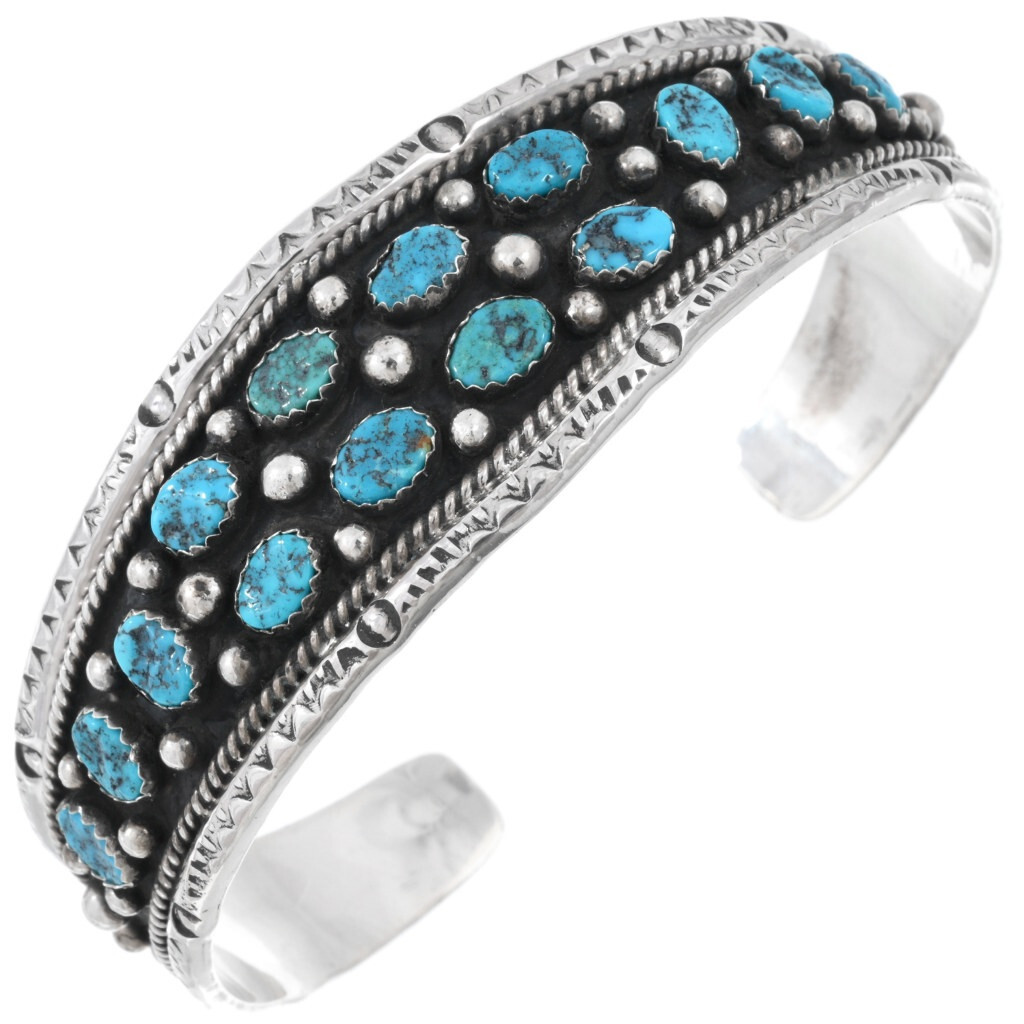
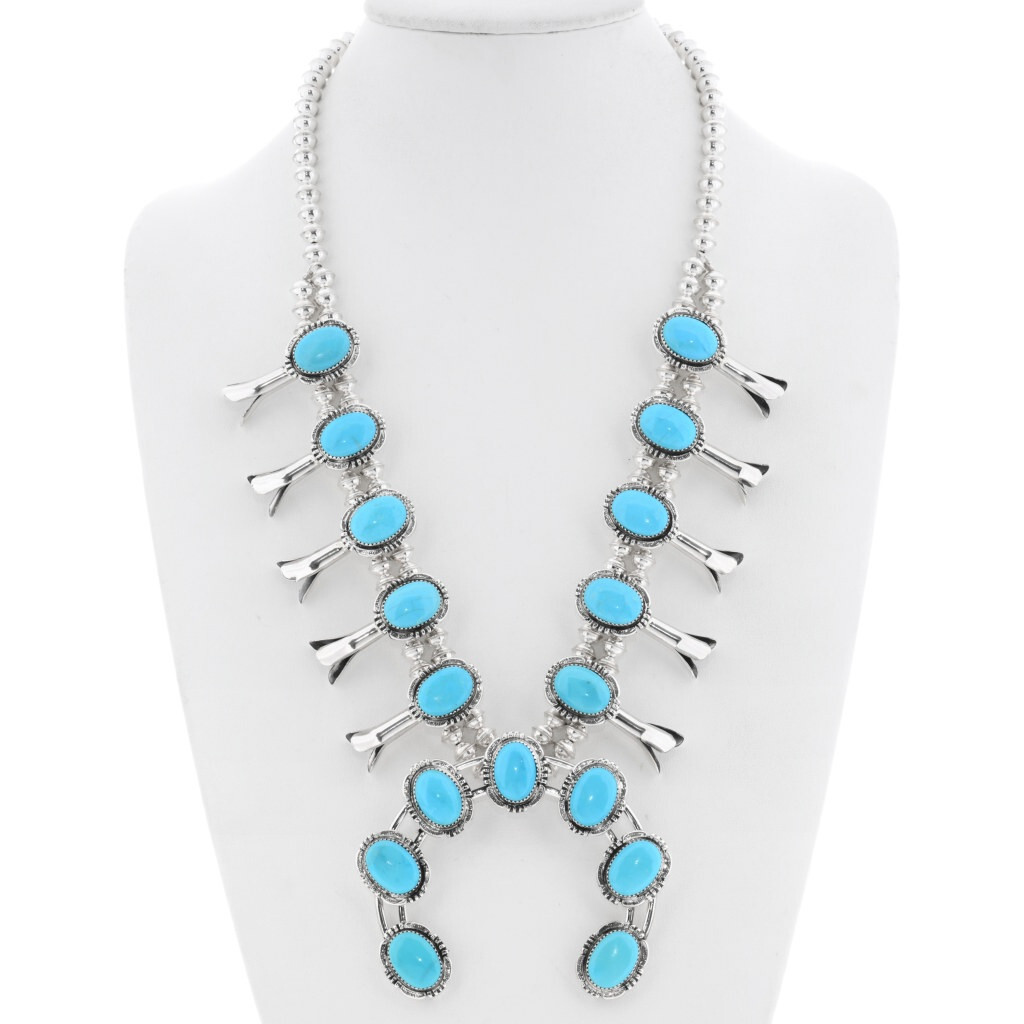
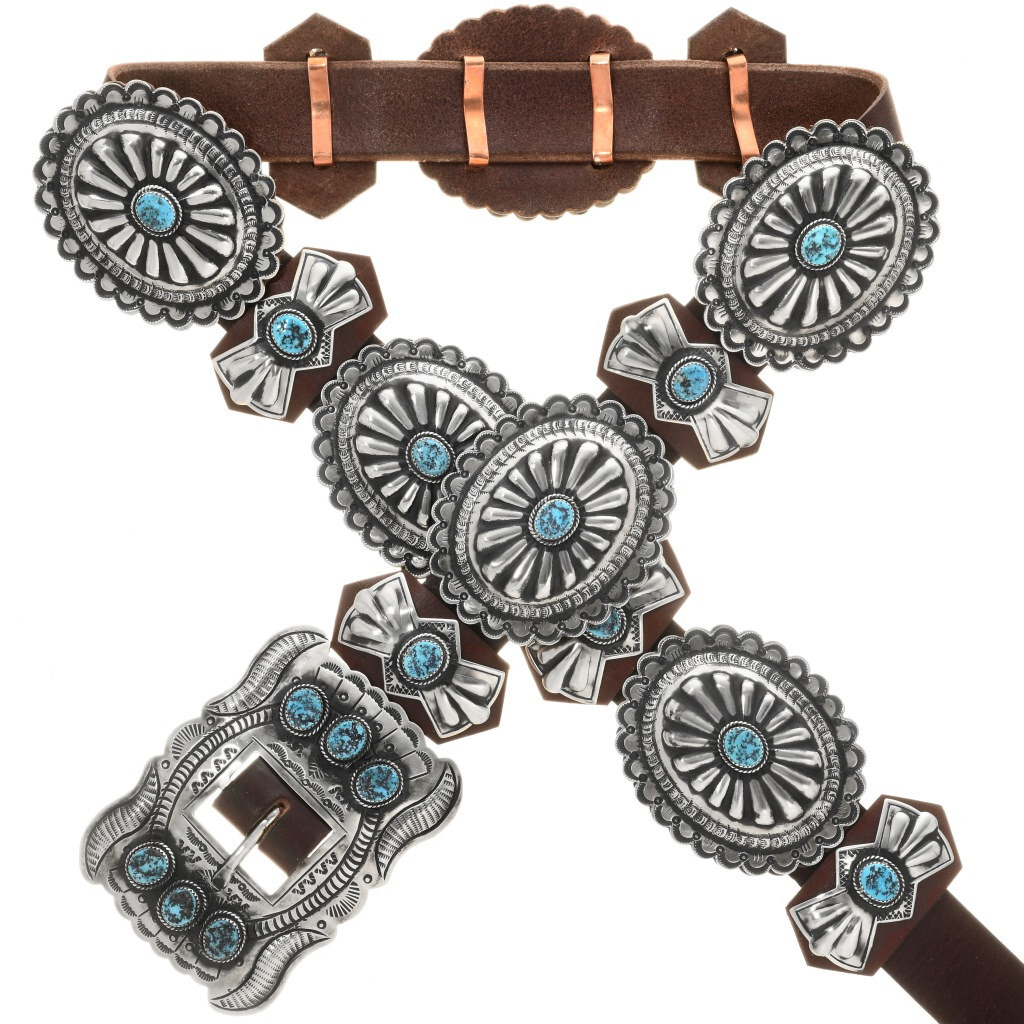
One of the most recognizable Navajo jewelry designs is the squash blossom necklace, traditionally featuring a series of silver blossoms and a large naja pendant. Navajo artists have produced these necklaces in many styles, from elaborate vintage pieces to contemporary interpretations.
Navajo Jewelry and Old Pawn
Navajo jewelry is also strongly represented in the world of Old Pawn jewelry. Vintage and antique Navajo pieces are particularly sought after by collectors because they can demonstrate the handmade techniques and distinctive silverwork of earlier generations.
Older pieces may show irregularities in the silver, handmade settings, worn surfaces, or natural variations in turquoise. These characteristics can add to a piece's character rather than detract from it.
While Navajo artists traditionally begin with the stone as the focal point and build the frame around the stone, Zuni artists start by building the frame and then fill it in with precisely cut stones arranged to create intricate designs and patterns.
Zuni Jewelry: Precision Stonework and Intricate Inlay
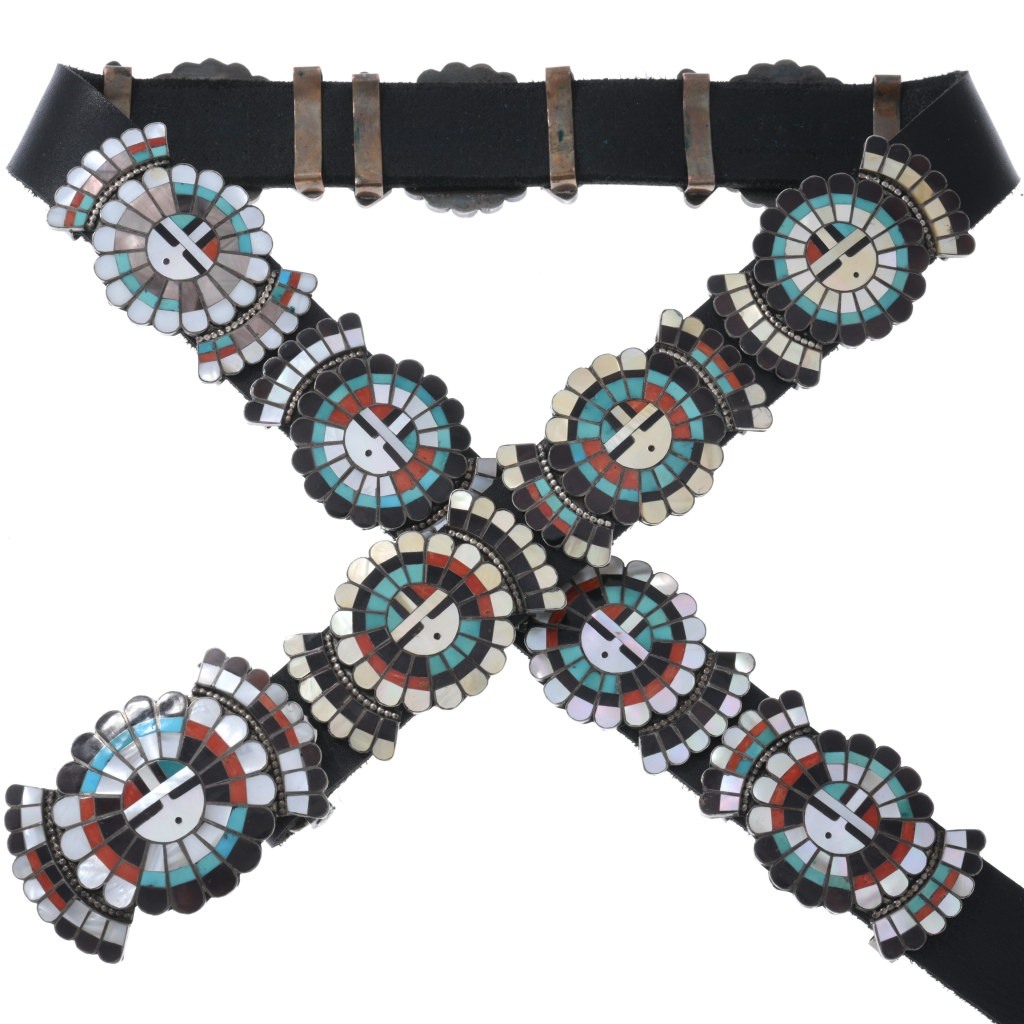
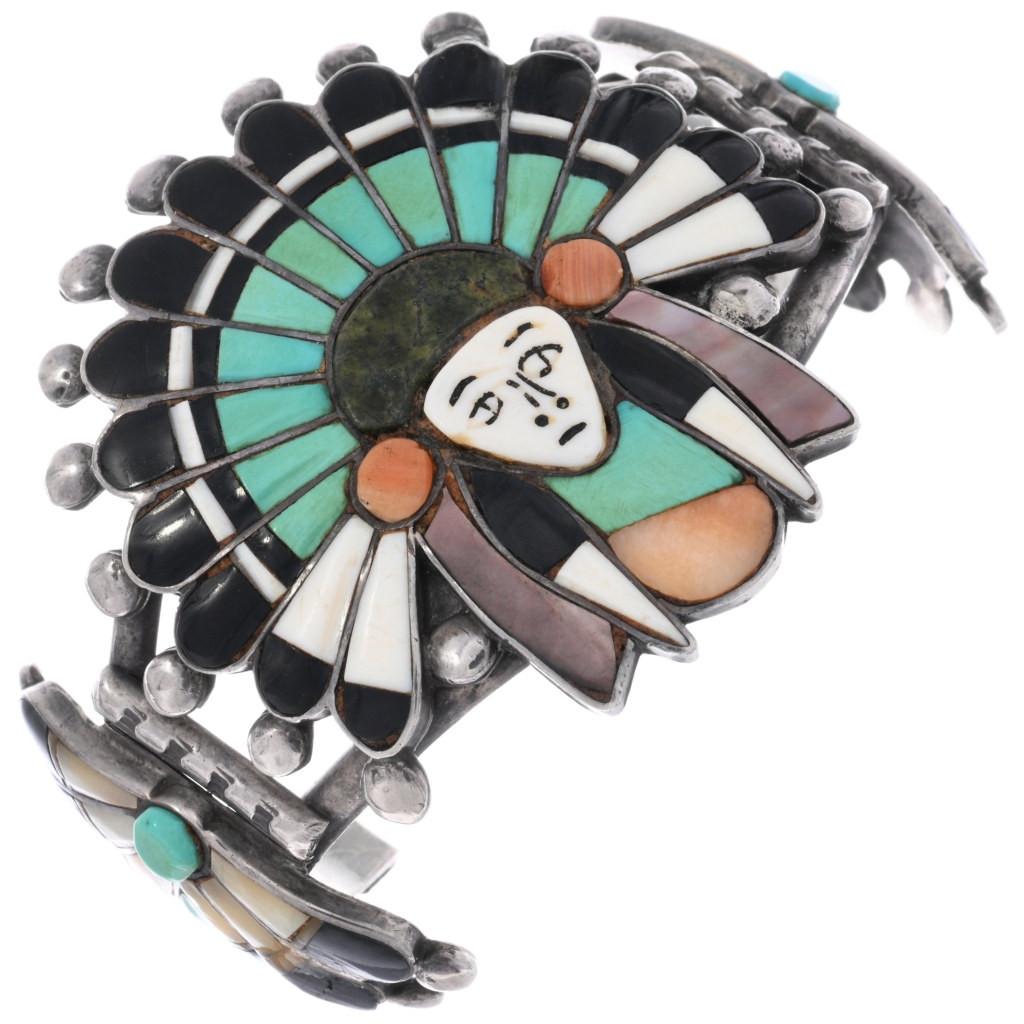
Zuni jewelry is particularly well known for its extraordinary stone-cutting and inlay techniques. Zuni artists have developed some of the most intricate and precise gemstone work found in Native American jewelry.
Rather than relying primarily on one or two large stones, Zuni jewelry often incorporates numerous small stones that are carefully cut and fitted into elaborate designs.
Look for these characteristics in Zuni jewelry:
What Is Needlepoint Jewelry?
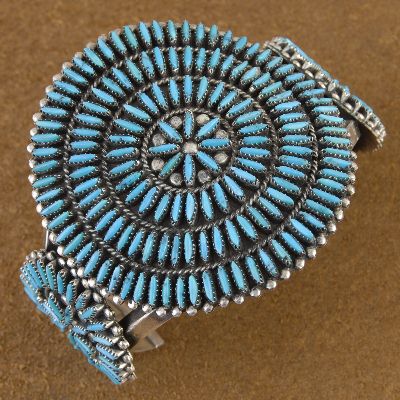
Needlepoint turquoise is one of the most recognizable Zuni jewelry styles. Small, narrow turquoise stones are cut into pointed or elongated shapes and arranged closely together, often around a central stone or along the surface of a bracelet, ring, or pin.
Petit point is similar but generally uses small rounded or oval stones rather than pointed stones.
These techniques require considerable skill because the individual stones must be carefully shaped and fitted together to create a balanced design.
Zuni Inlay
Zuni artists are also famous for intricate stone inlay jewelry. Different stones may be fitted together to create geometric patterns, animals, birds, landscapes, or other imagery.
Some Zuni inlay techniques involve exceptionally small pieces of stone. The precision required to cut, shape, and fit these pieces together is one reason Zuni jewelry has such a strong reputation among collectors.
While both Navajo and Zuni styles almost always feature stones, Hopi jewelry is primarily silverwork with little to no stones.
Hopi Jewelry: Distinctive Overlay Silverwork
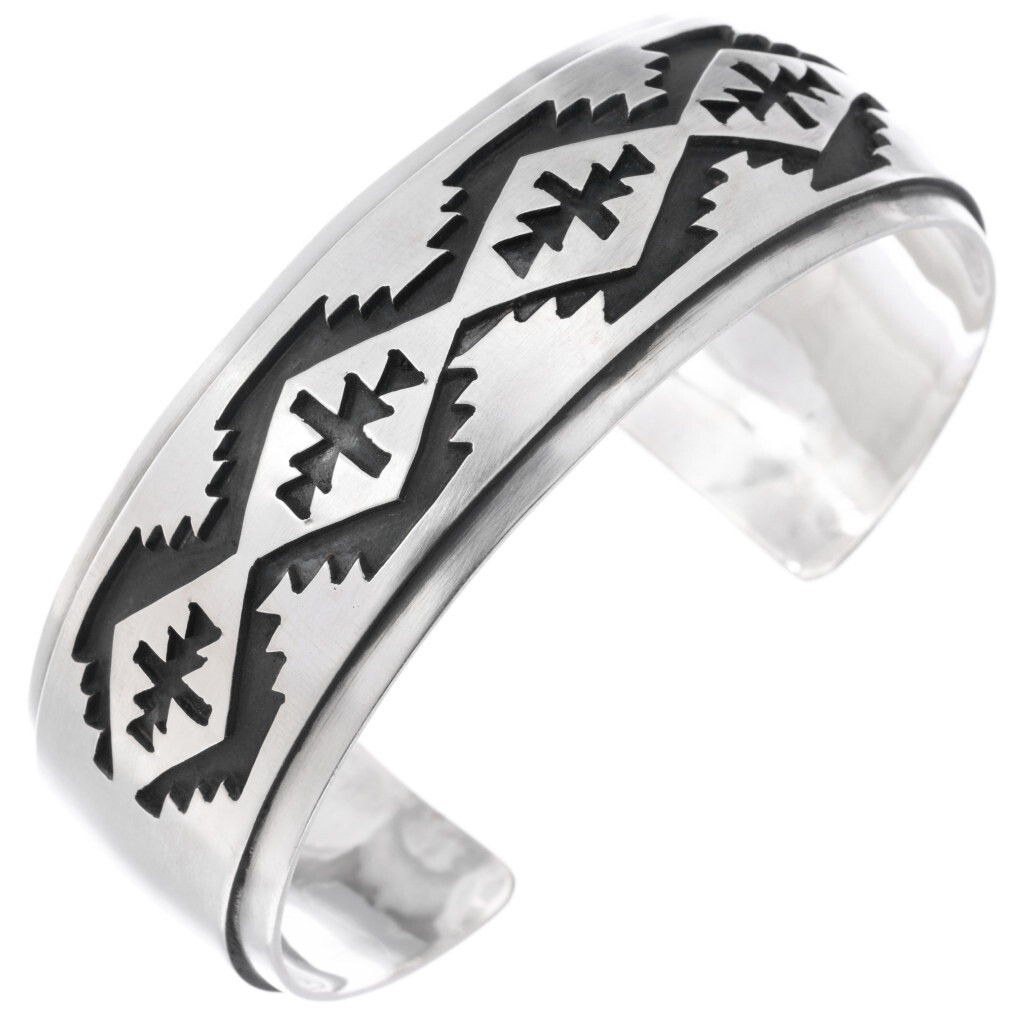
Hopi jewelry is perhaps the easiest of the three styles to distinguish when looking at traditional silverwork. Hopi silversmiths became especially known for the overlay technique, which creates strong contrasts between polished silver and oxidized or darkened recessed areas.
Hopi jewelry often places greater emphasis on the silver itself rather than large turquoise stones.
Common characteristics of Hopi jewelry include:

What Is Overlay Jewelry?
In traditional overlay construction, two layers of silver are joined together. The upper layer is cut away to reveal portions of the lower layer, creating a contrasting design.
The recessed areas are often oxidized or darkened, while the raised portions remain bright and polished. This creates the dramatic light-and-dark appearance associated with classic Hopi overlay jewelry.
The technique allows the design itself to become the focal point. Instead of relying on numerous gemstones, a Hopi bracelet may use carefully planned silver imagery to tell a story or represent elements of the natural and spiritual world.
Navajo vs. Zuni vs. Hopi Jewelry at a Glance
|
Feature |
Navajo |
Zuni |
Hopi |
|
Best known for |
Bold silverwork and turquoise |
Precision stonework and inlay |
Silver overlay |
|
Turquoise use |
Often large, prominent stones |
Frequently small, precisely cut stones |
Often secondary to silver design |
|
Silverwork |
Stamping, repoussé, bezels, wirework |
Detailed settings and stonework |
Overlay and contrasting silver |
|
Common designs |
Squash blossoms, cuffs, conchos |
Needlepoint, petit point, clusters, inlay |
Geometric and symbolic overlay |
|
Overall appearance |
Bold and substantial |
Intricate and detailed |
Graphic and sculptural |
|
Collector appeal |
Turquoise, silverwork, vintage pieces |
Stone-cutting and intricate craftsmanship |
Overlay technique and design |
These distinctions are useful guidelines rather than absolute rules. Native American jewelry has evolved over generations, and individual artists may incorporate techniques associated with different traditions or develop their own contemporary styles.
Turquoise in Navajo, Zuni, and Hopi Jewelry
Turquoise plays an important role in Southwestern jewelry, but it is used differently across these traditions.
Navajo artists are well known for showcasing large turquoise cabochons, particularly in rings, cuffs, pendants, and squash blossom necklaces. The natural characteristics of a turquoise stone—including its color, matrix, shape, and origin—can become an important part of the design.
Zuni artists often use turquoise in smaller, precisely cut forms. Needlepoint, petit point, and cluster jewelry demonstrate how a large number of small stones can create an intricate overall design.
Hopi jewelry may use turquoise, coral, and other stones, but traditional Hopi overlay places much greater emphasis on the silver design itself.
For collectors, the stone is only part of the story. The cutting technique, setting, silverwork, artist, age, condition, and provenance can all influence the importance and value of a piece.
How to Identify Navajo, Zuni, and Hopi Jewelry
When trying to identify a piece of Native American jewelry, start by looking at the construction rather than simply the presence of turquoise.
- Examine the stonework
Are there one or two large turquoise stones? The piece may have characteristics associated with Navajo jewelry.
Are there many tiny pointed stones? Look closely for Zuni needlepoint.
Are small rounded stones arranged in a cluster? It may be a Zuni petit point or cluster design.
- Look closely at the silver
Heavy stamping, decorative wire, large bezels, and substantial silverwork are common characteristics of Navajo jewelry.
If the silver contains a strong light-and-dark pattern created by two layers of metal, investigate whether it is Hopi overlay.
- Examine the craftsmanship
Look at how the stones fit together, how the bezels are constructed, and whether the silver appears handmade. Small variations can be clues to traditional handmade construction.
- Look for a hallmark
Many Native American artists sign or stamp their work, although not every piece is marked. Hallmarks can sometimes provide valuable information about the artist or silversmith.
A hallmark should not be treated as the sole method of authentication, however. Marks can change throughout an artist's career, and unsigned pieces can still be genuine examples of Native American craftsmanship.
- Consider the age and provenance
Vintage and antique Native American jewelry can sometimes be identified through its construction techniques, materials, style, and history of ownership.
Documentation, receipts, family history, trading-post information, or other provenance can be particularly valuable when evaluating an important collectible.
Why the Differences Matter to Collectors
Learning the differences between Navajo, Zuni, and Hopi jewelry isn't simply about assigning a label to a piece. It provides insight into the individual artistic traditions that have shaped Southwestern jewelry for generations.
A Navajo cuff can demonstrate the beauty of substantial silverwork and a striking turquoise stone. A Zuni cluster bracelet can showcase remarkable precision with small elements closely packed together. A Hopi overlay bracelet can demonstrate how a silversmith can transform silver into a highly detailed visual composition with a simple hand held saw.
For collectors, understanding these differences can also help when building a collection. Some collectors focus on turquoise and Old Pawn jewelry, while others specialize in Zuni inlay, Hopi overlay, or particular artists and historical periods.
Collecting Native American Jewelry
Whether you are purchasing your first turquoise ring or building a serious collection, take time to study the characteristics of different Native American jewelry traditions.
Look beyond the color of the turquoise and consider the craftsmanship, construction, stone-cutting, silverwork, artist, tribal tradition, age, and provenance.
Most importantly, remember that Navajo, Zuni, and Hopi jewelry represent living artistic traditions. Contemporary Native American artists continue to innovate while drawing inspiration from techniques and designs passed down through generations.
At Alltribes, collectors can find a wide range of Native American jewelry, turquoise jewelry, Old Pawn jewelry, and Southwestern art representing the rich artistic traditions of the American Southwest.
Frequently Asked Questions
Is Navajo jewelry different from Zuni jewelry?
Yes. While there can be overlap, Navajo jewelry is often recognized for substantial silverwork and larger turquoise stones, while Zuni jewelry is particularly known for precision stone-cutting techniques such as needlepoint, petit point, cluster work, and intricate inlay.
What is Hopi jewelry known for?
Hopi jewelry is especially famous for silver overlay. This technique uses layers of silver to create contrasting raised and recessed designs, often incorporating geometric and symbolic imagery.
Which tribe makes needlepoint turquoise jewelry?
Needlepoint is strongly associated with Zuni jewelry. The technique uses numerous small, pointed turquoise stones carefully set into a piece of jewelry.
Is all Native American turquoise jewelry Navajo?
No. Navajo, Zuni, Hopi, and other Native artists have created turquoise jewelry for generations. Turquoise is used across many Southwestern jewelry traditions, although each community and individual artist may use it differently.
Final Thoughts
Navajo, Zuni, and Hopi jewelry each offer a distinctive perspective on Southwestern silversmithing and stonework. Navajo jewelry is celebrated for bold silverwork and turquoise, Zuni jewelry for extraordinary precision in stone-cutting and inlay, and Hopi jewelry for its distinctive overlay technique.
Once you know what to look for, the differences become easier to recognize—and every piece becomes more interesting. Whether your collection centers on turquoise rings, Zuni needlepoint, Hopi overlay, Navajo squash blossoms, or vintage Old Pawn jewelry, understanding the traditions behind the work adds another level of appreciation to collecting Native American art.